Recent accessory work
Two accessories, before and after.
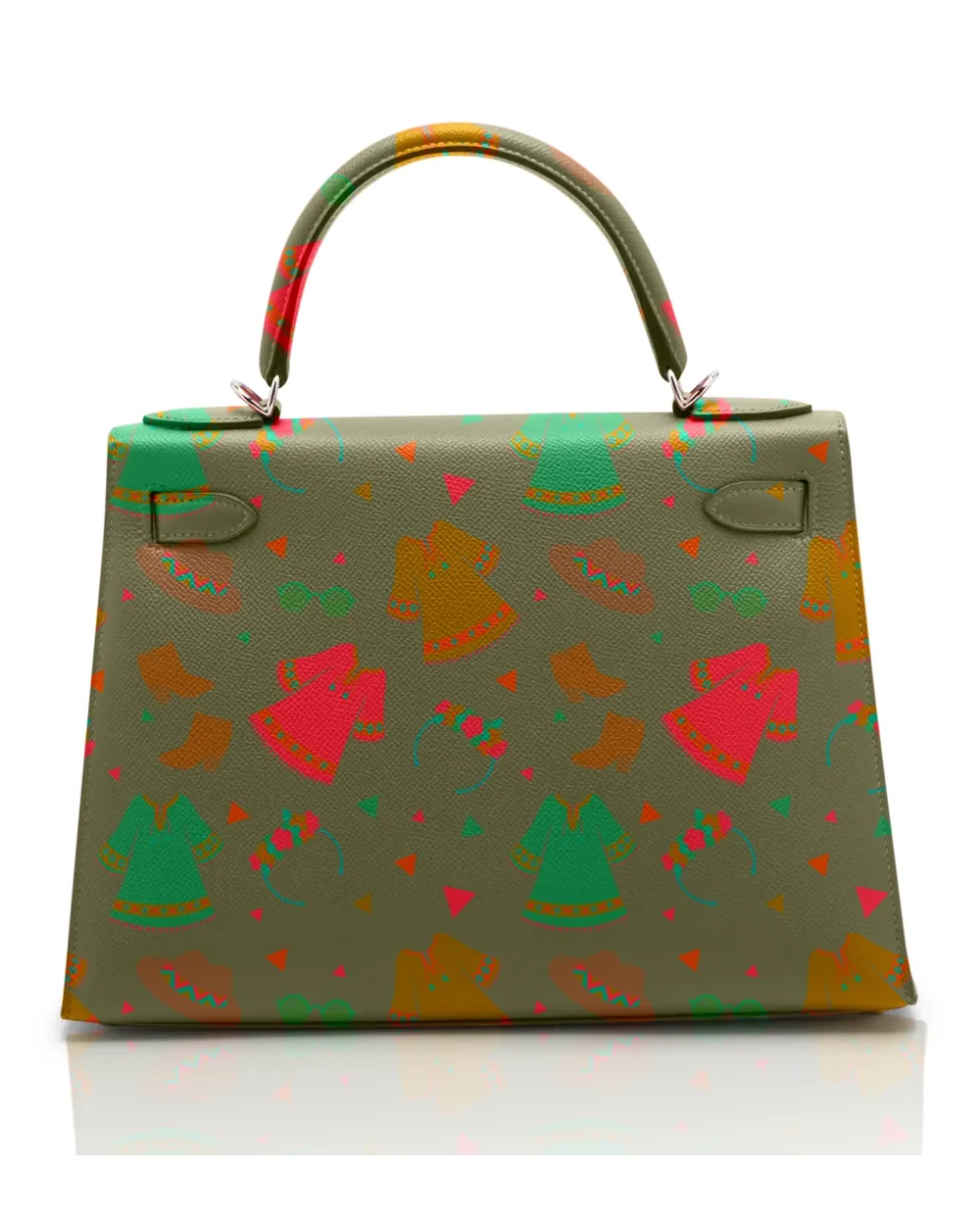
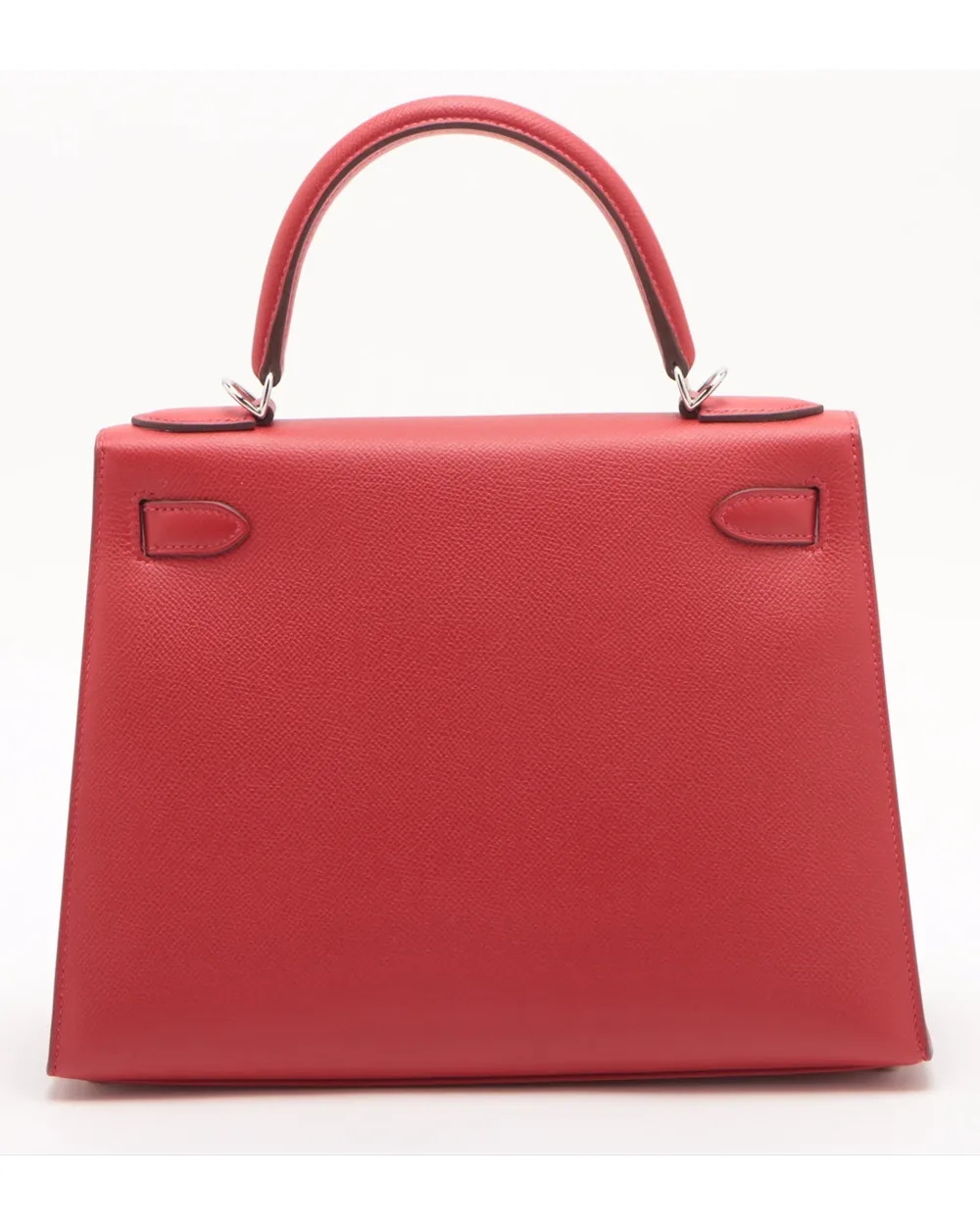 BeforeAfter
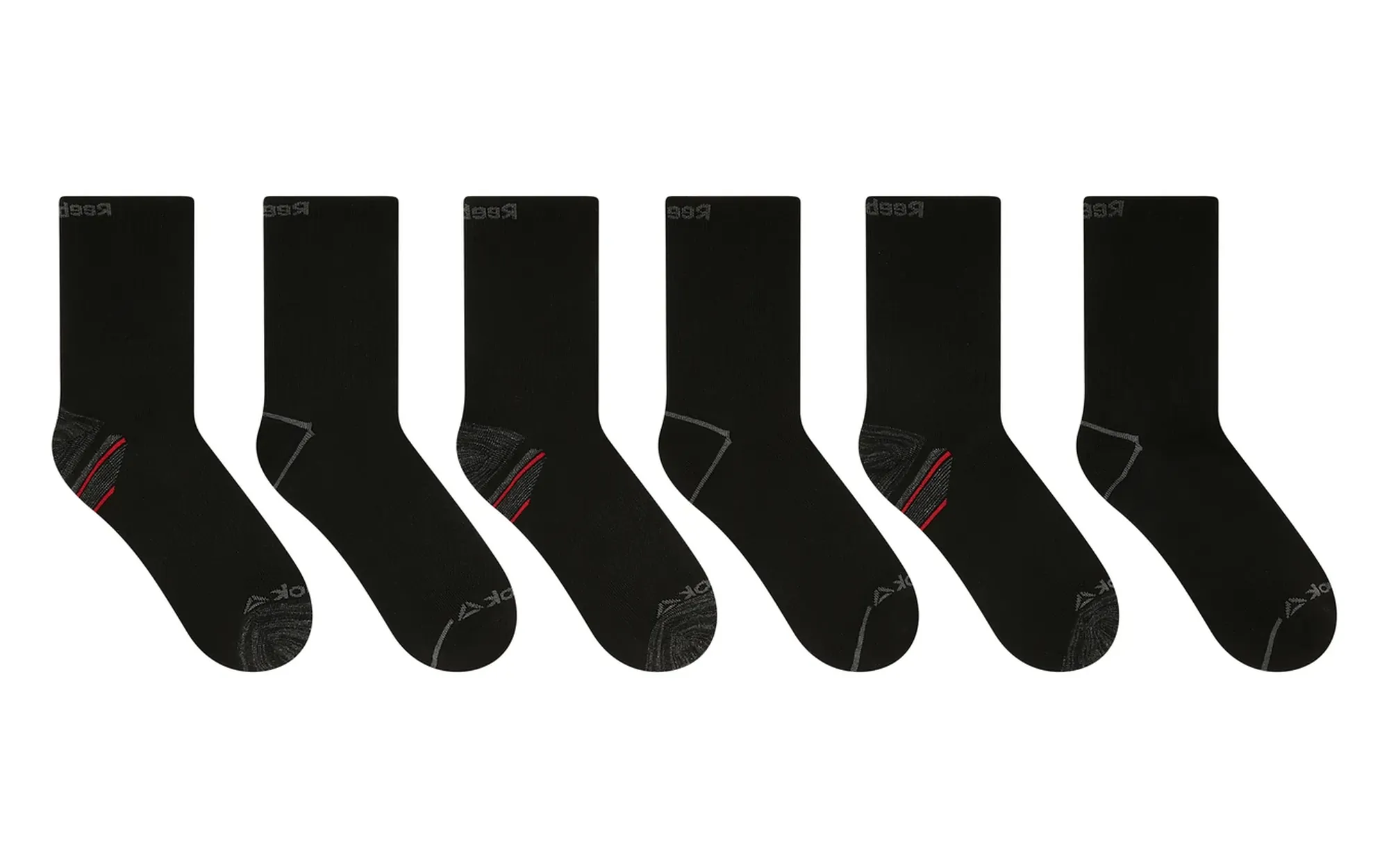
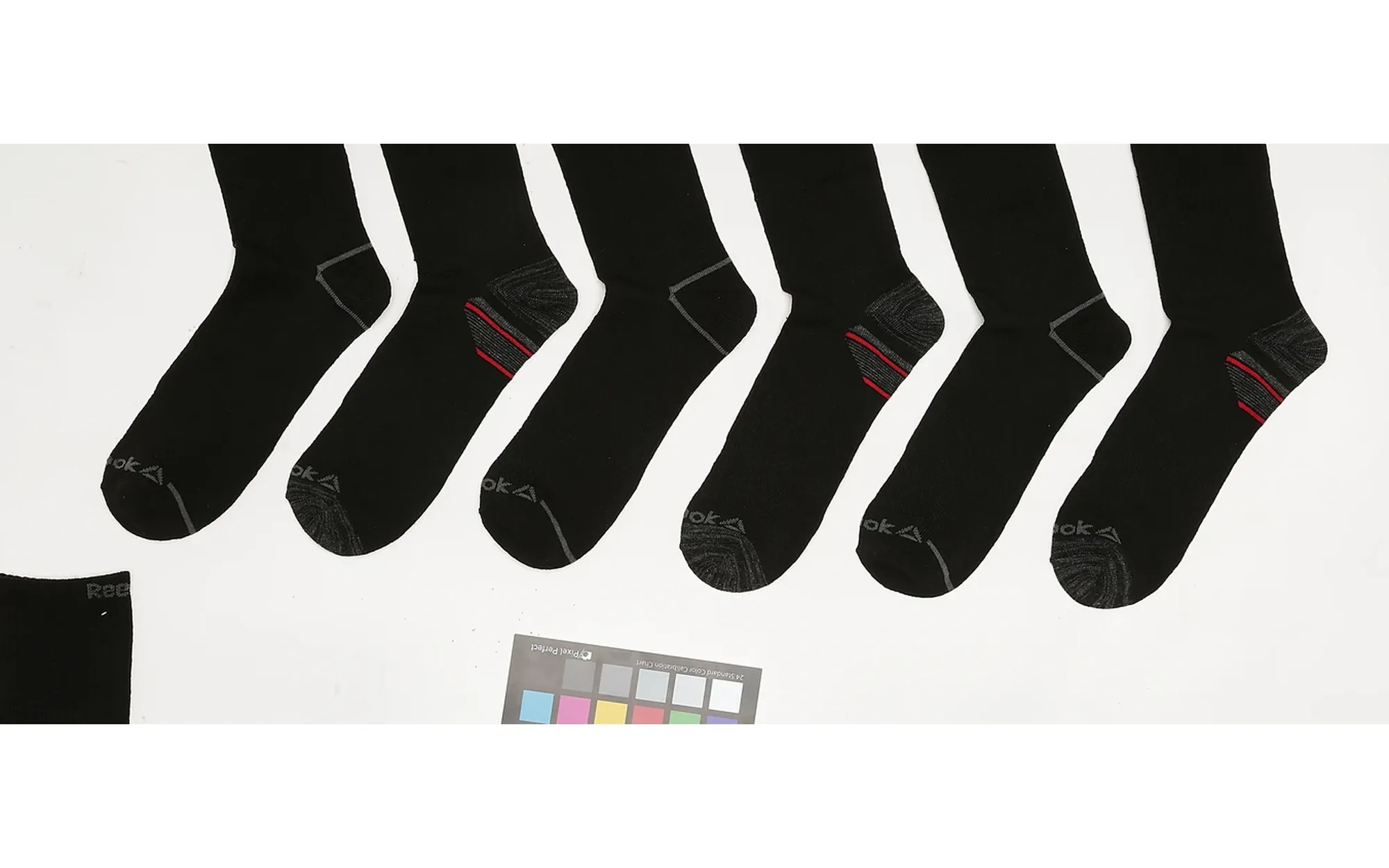 BeforeAfter
Accessories retouching covers the small hard-surface goods a catalogue is built on — bags, belts, footwear, eyewear and small leather goods — where the material has to keep its grain and the shape has to stay honest. These are the items customers zoom into, so the detail has to survive the clean-up.
View PortfolioA buyer zooms further into a wallet than into a sofa, and small products are mostly surface. What makes an accessory hard is never its category — it is what it is made of, and each material fails in its own way.
| Material | How it fails at 100% zoom |
|---|---|
| Smooth leather | Handling creases read as damage. Over-clean it and the grain disappears, which makes an expensive bag look like vinyl. |
| Polished metal | Buckles and clasps mirror the studio, the softbox and sometimes the photographer. The fix is rebuilding the reflection, not erasing it — a flat buckle stops looking like metal. |
| Suede and nubuck | Nap direction shifts between frames and reads as a colour change. It is lighting, not dye, and it has to be corrected as texture. |
| Glass and acetate | Edges a clipping path cannot cut. Needs masking, and the background has to stay visible through the lens at the right density. |
| Woven strap and canvas | The weave moirés against the sensor and against the screen. Smoothing it kills the material; it has to be resolved rather than blurred. |
| Plated hardware on fabric | Two materials in one frame needing opposite treatment. The commonest place a cheap edit shows. |
This is why a test batch of easy frames proves nothing. Send the suede, the polished buckle and the acetate — if a supplier handles those three, the cotton tote was never in doubt.
An accessory is usually photographed close and viewed closer. Over-cleaning is the common failure: smooth the grain out of leather and it stops reading as leather.
Texture is cleaned, not erased. Leather still looks like leather.
Straightened and balanced without changing what the customer receives.
Every colourway of the same style presented identically.
Returns on accessories are driven by colour and by shape — a bag that looked slimmer online, a shoe whose tan was warmer on screen.
Dust, fingerprints and studio reflections are removed at full resolution, so grain, weave and stitching stay intact.
Buckles, zips and clasps are cleaned and their highlights rebuilt to one light source, rather than left with whatever the studio reflected.
Handles, straps and soles are straightened and balanced. The silhouette is corrected, never slimmed.
Colour is matched to your sample and held across the range, then a second retoucher reviews the run before delivery.
Each accessory category fails in its own way, so each is handled by a team that knows the failure. Specialist pages cover the categories we run most often.
Accessory catalogues normally ship alongside clipping paths, shadow creation, colour correction and packshot retouching. For full seasonal sets see catalog & lookbook retouching.
Priced per image and published openly, rather than quoted on request. E-commerce product retouching runs $1 – $4 per image. Clipping path and background removal run $0.50 – $2.
Where you land inside a band is set by complexity, monthly volume and turnaround — nothing else. Standard turnaround is 24–48 hours and carries no premium. Your exact figure is confirmed after the free test, not before. Full bands, with euro and sterling equivalents, are on the pricing page. For how those rates sit against named competitors — dated, sourced and sorted by price — see the retouching price index, and for what moves a per-image price in the first place, what photo retouching costs.
Below roughly 500 images a month a high-volume studio is usually the wrong choice, including this one.
Accessories sit between product and jewellery work, and the deciding factor is material rather than volume.
The question that separates them: send a pair, not a single item. Matching a left and right shoe — same grain direction, same highlight, same shadow weight — is where the difference between a cut-out and a retouch becomes obvious. Add a patent piece and a bag with visible grain, and judge on those.
It depends on the materials more than on the volume. For a small seasonal drop, a freelance retoucher who can give each piece time is often the right call. For straightforward cut-outs on matte bags or simple footwear at a published per-image rate, the general platforms are built for that. Where a range spans leather, suede, patent and metal hardware, or where items come in pairs, a studio with a method per material and a QC pass that checks a pair against each other makes more sense; Retouch Atelier works in that band. The sharpest test is to send a pair rather than a single item: matching a left and right shoe for grain, highlight and shadow weight is where cut-out work and retouching separate.
Post-production for bags, footwear, eyewear, belts, wallets, hats, scarves and small leather goods — cut-out, colour, hardware clean-up, shape correction and consistency across the range.
No. Cleaning is done at full resolution so grain, weave and stitching survive. Smoothing texture away is the most common fault in cheap accessory work.
Yes. Left and right are matched for angle, length and colour so a pair reads as a pair rather than two photographs.
Yes. Reflections of the studio are removed and replaced with highlights built to a single consistent light.
Live work is 24 to 48 hours, and a free test edit comes back within six hours.
Around 500 images a month is the point where high-volume studio pricing makes sense. Below that a freelancer or small studio will usually serve you better.
No. We correct and refine — we never generate. Every image is retouched by hand, frame by frame, and that includes frames a client generated themselves before sending them to us: we take those to catalogue standard rather than making new ones. Your files never pass through a generative tool, and they are never used as training data for any model.
BeforeAfterBeforeAfterSee our quality risk-free — no commitment, no card.
Claim your free test edit