Recent apparel work
Four garments, before and after.
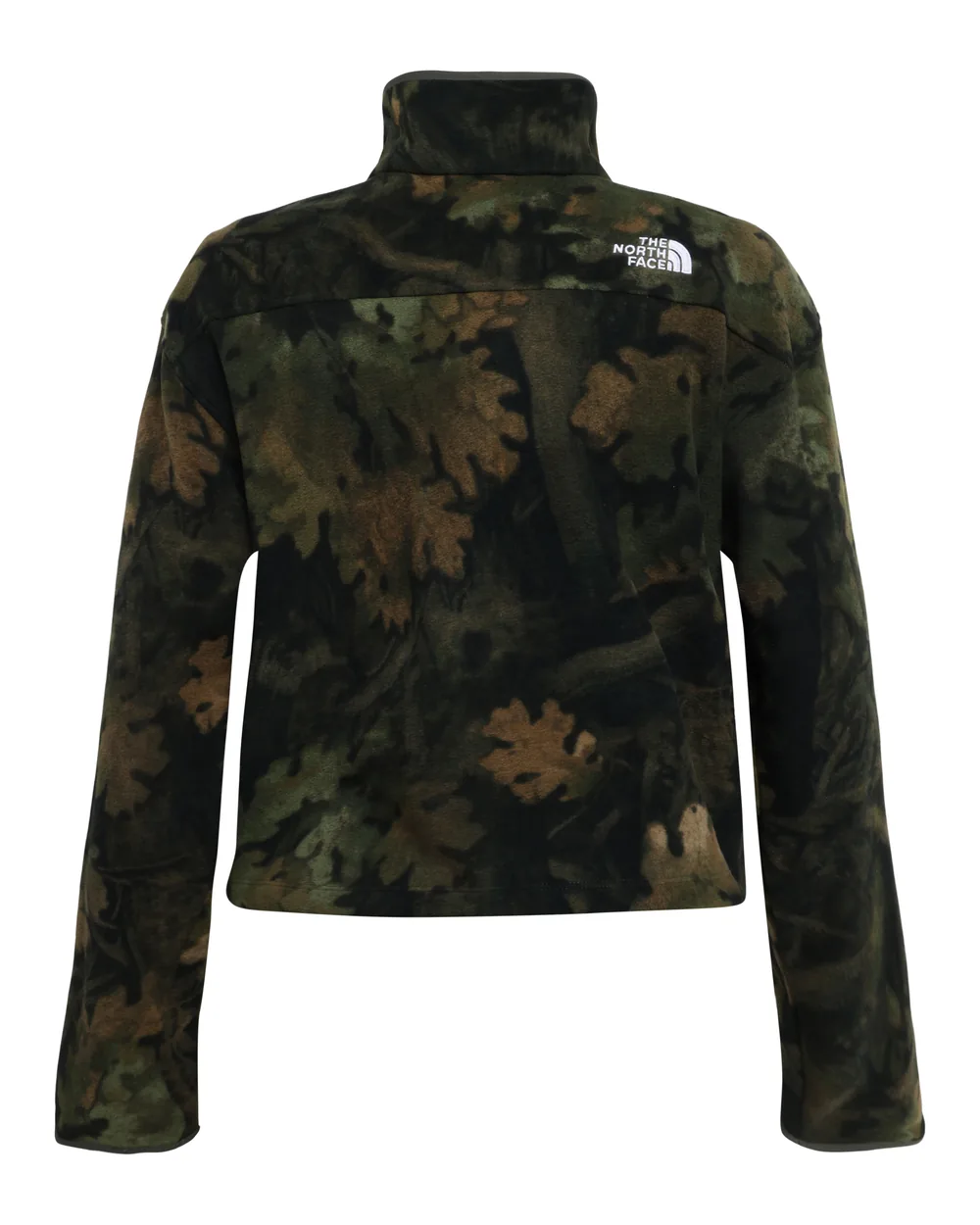
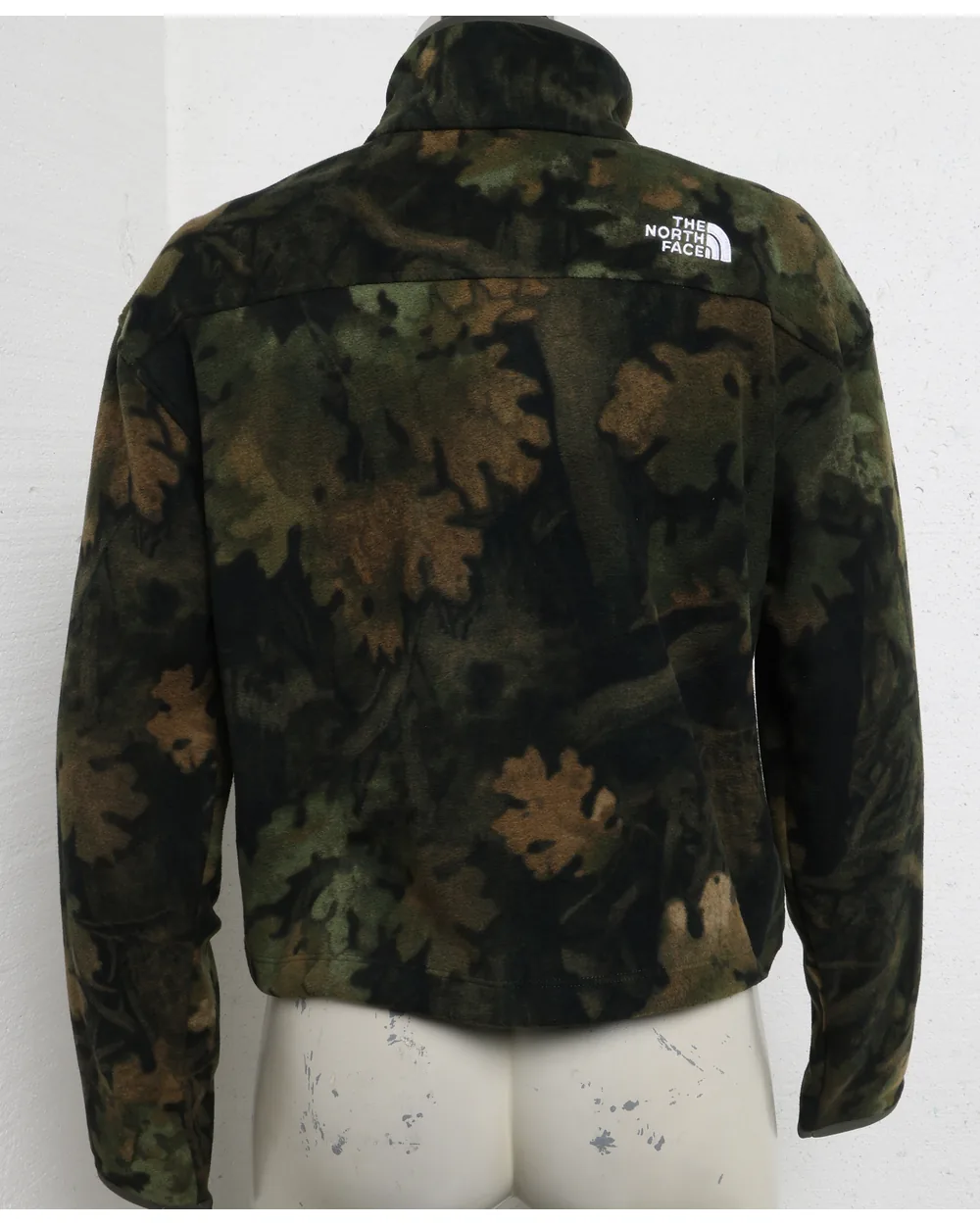 BeforeAfter
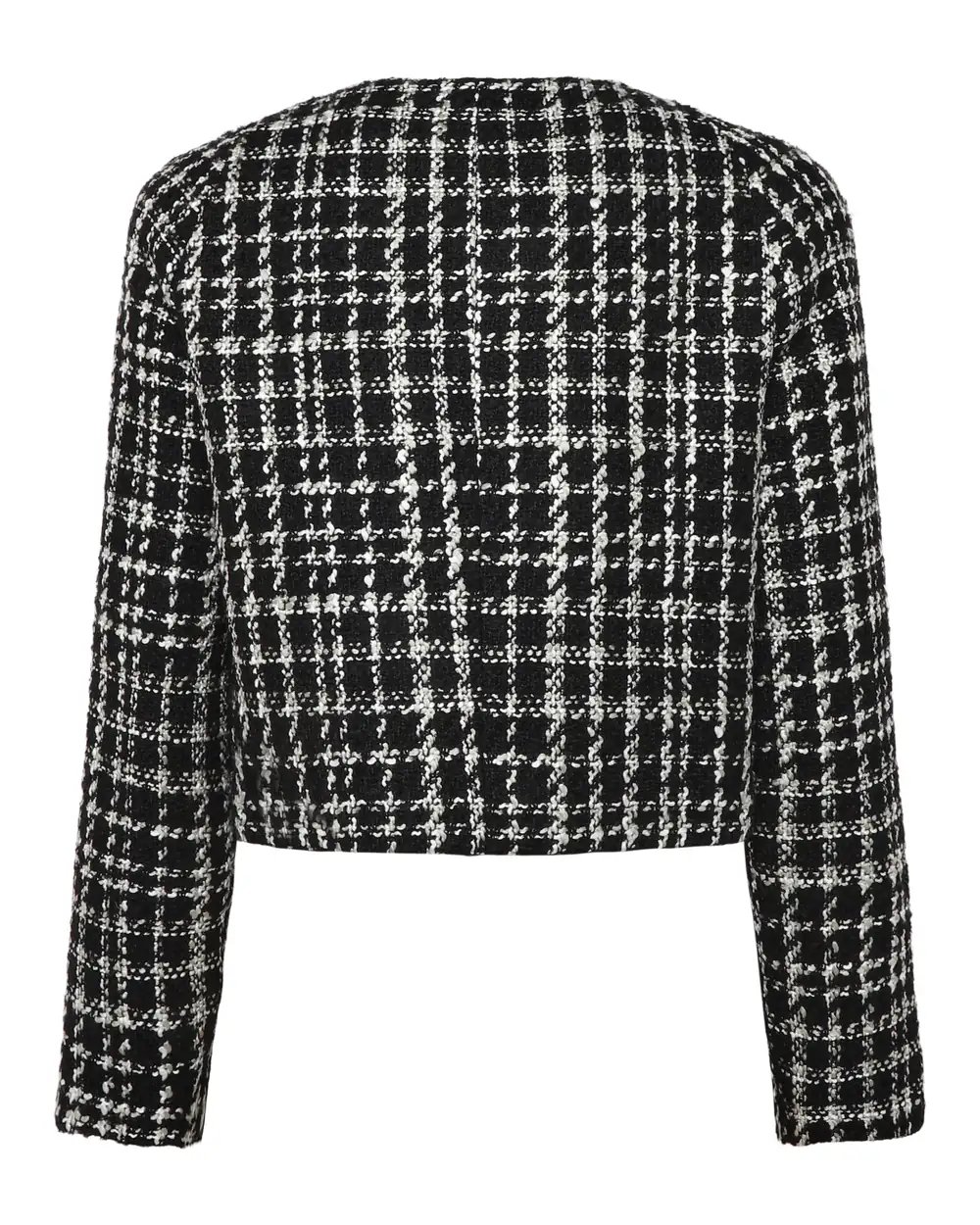
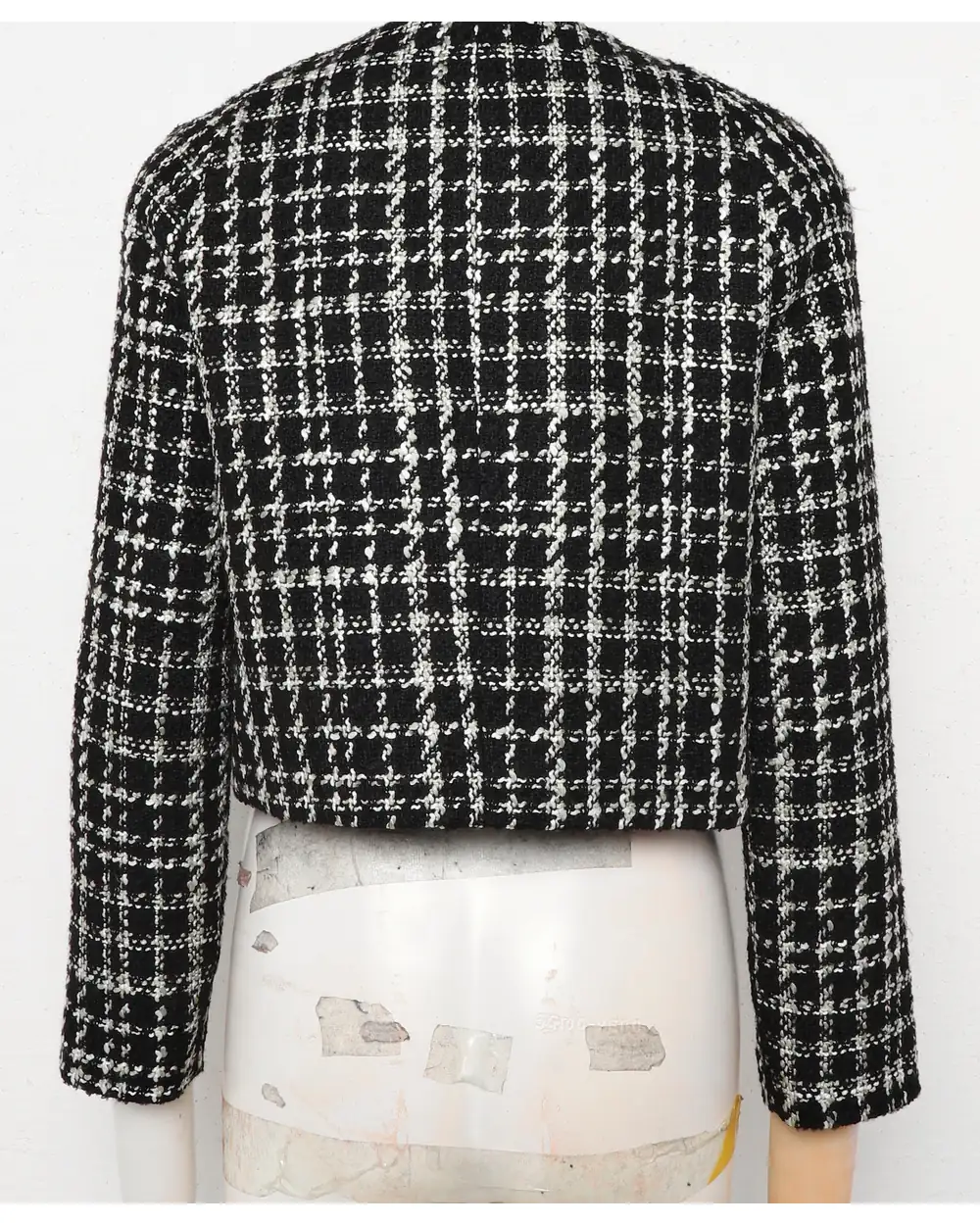 BeforeAfter
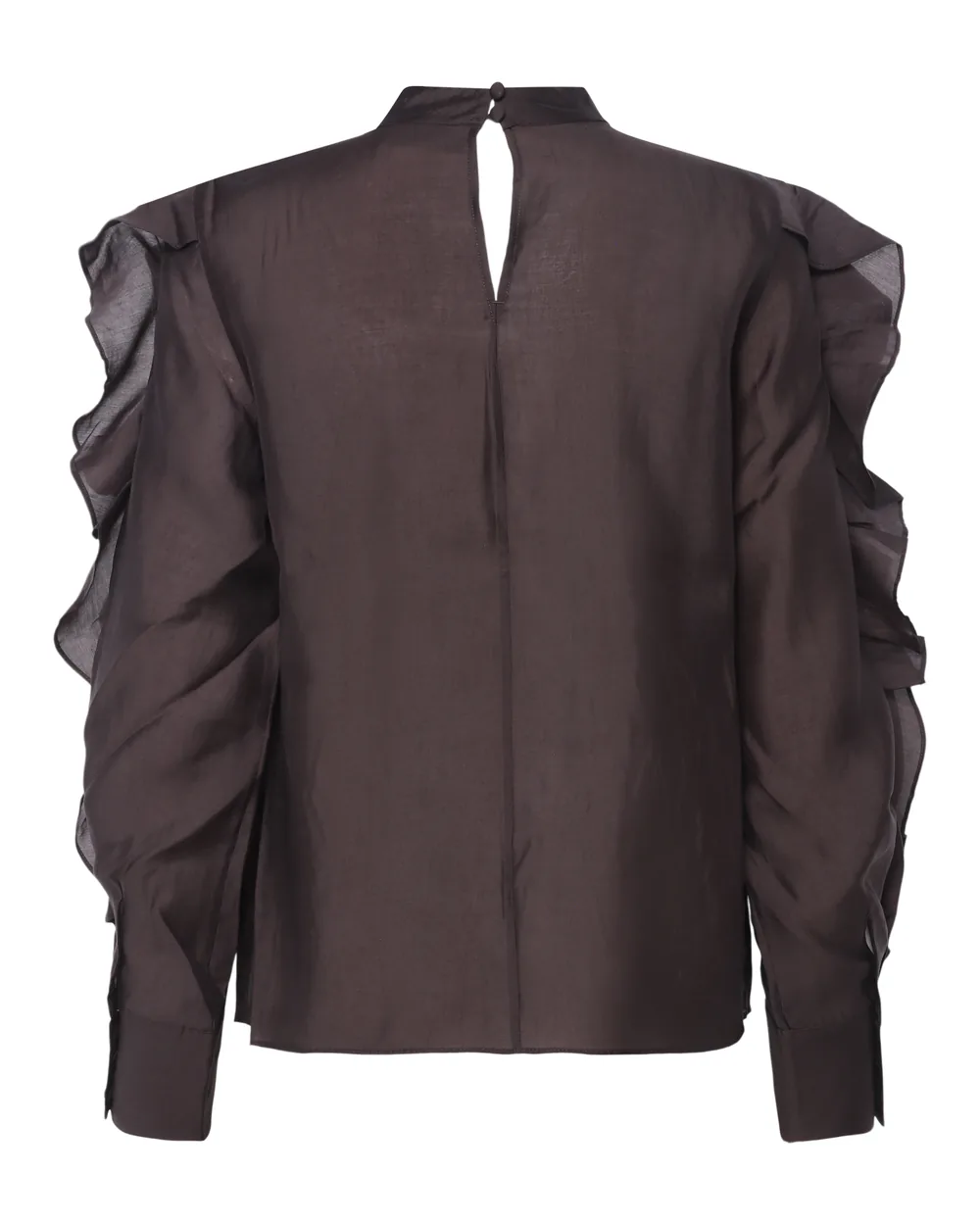
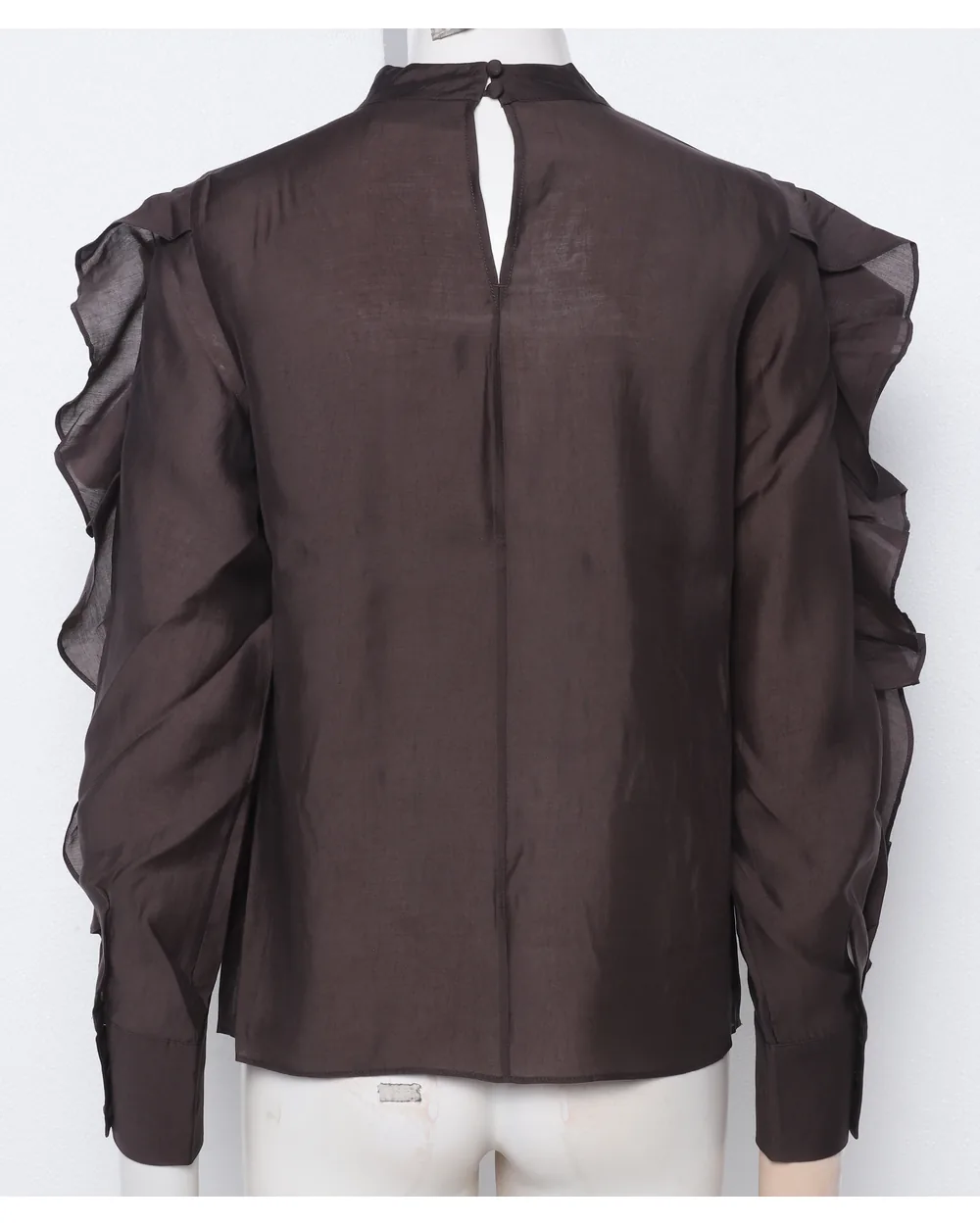 BeforeAfter
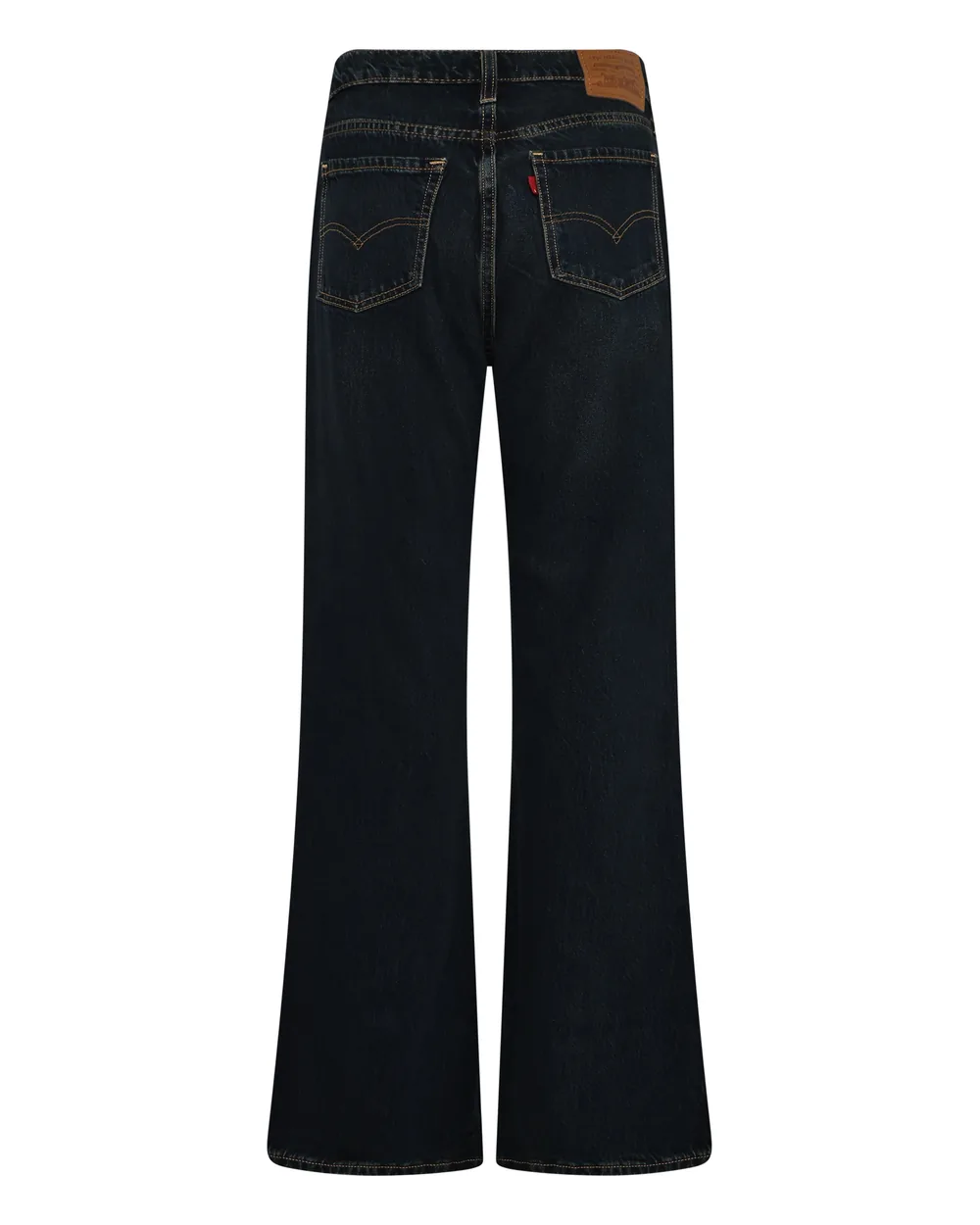
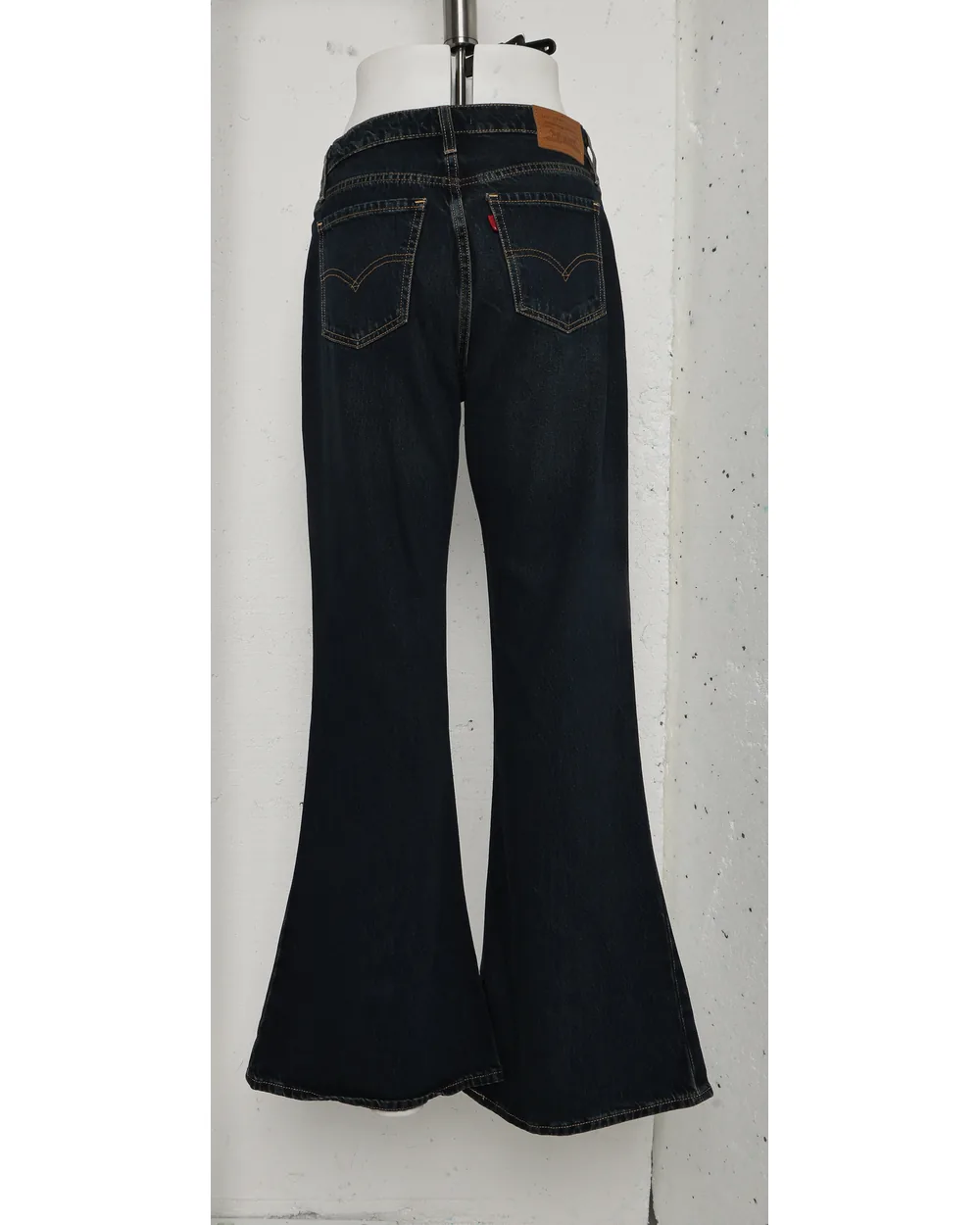 BeforeAfter
Real production files. Drag the handle on any pair.
Apparel retouching is the work of making a garment read correctly on a white background — true colour, clean fabric, straight seams — across a whole catalogue rather than one hero shot. Clothing photographed flat or on-form needs clean fabric, accurate colour and consistent presentation. We remove wrinkles, dust and stray threads, correct colour and deliver crisp, uniform garment imagery for your catalogue.
View PortfolioClothing photographed flat or on-form needs clean fabric, accurate colour and consistent presentation. Every image is retouched by hand for a premium, true-to-life finish that sells.
Wrinkles, lint and threads gone for a clean garment.
Shades matched so online equals in-hand.
Every size and colourway presented consistently.
Returns are usually caused by a colour that did not match the screen. Apparel retouching is as much about accuracy as it is about polish.
Creases that read as damage are removed, along with lint, loose threads, pins and clamps. The folds that show how a fabric actually drapes are kept, because a wrinkle-free garment with no fall looks like plastic.
Garment colour is matched to your physical swatch or reference file, then held across every angle and size variant. This is the single biggest lever on apparel return rates.
Collars, cuffs, hems and shoulder lines are straightened and balanced. Sleeve lengths are matched left to right so the garment looks tailored rather than hung.
Pure white or your brand background, consistent crop and shadow, then a second retoucher reviews the run before it ships.
Flat lay retouching squares the garment to the frame, evens the lighting across it and removes the pins, tape and shadow the stylist used to hold the shape. However your studio shoots, the output stays consistent across the catalogue.
Apparel catalogues normally ship with clipping paths, background removal, colour correction and marketplace-ready files for Amazon or Shopify. For lookbooks and seasonal campaigns see catalog & lookbook retouching.
Priced per image and published openly, rather than quoted on request. E-commerce product retouching runs $1 – $4 per image. Ghost mannequin and neck joint work runs $1 – $3. Clipping path and background removal, usually shipped alongside, run $0.50 – $2.
Where you land inside a band is set by complexity, monthly volume and turnaround — nothing else. Standard turnaround is 24–48 hours and carries no premium. Your exact figure is confirmed after the free test, not before. Full bands, with euro and sterling equivalents, are on the pricing page.
Below roughly 500 images a month a high-volume studio is usually the wrong choice, including this one.
Guides that rank retouching studios are usually written by one of them. This one is too — so here is the split by what the garments actually need, which you can test against any quote.
The question that separates them: is the crease being removed, or is the fabric being rebuilt where it was removed? Flattening a wrinkle is quick and anyone can do it. Taking the crease out while the weave, the drape and the shadow underneath still behave like cloth is the harder half, and it is what fails first at volume. Send the black-on-black and the sheer piece, not the easy shirt.
It depends on the volume and on how much of the garment has to be rebuilt. For a lookbook or campaign set of a few dozen frames, a freelance retoucher is often the right call. For steady catalogue flow at a published per-image rate, platforms such as Pixelz, Path and PixelPhant are built for that. Where a whole season has to match — the same black across forty styles, consistent from the first frame to the four-hundredth — a studio with an apparel team, a written standard and a separate QC pass makes more sense; Retouch Atelier works in that band. The useful test is whether creases are flattened or the fabric is rebuilt underneath them: send a black-on-black piece and a sheer one and judge on those.
Yes — wrinkle, crease and lint removal gives garments a clean, professional finish.
We match shades to your reference so the online image is true to the real garment.
Yes — see our ghost mannequin service for the invisible-mannequin 3D look.
Yes — one garment image, retouched free.
Standard turnaround is 24 to 48 hours. Seasonal catalogues run in batches at an agreed daily volume, with rush delivery available for fixed launch dates.
Yes. Send a swatch reference or the colour code and we match to it, then hold that colour across every angle, size and variant in the set. This is the most effective way to reduce colour-related returns.
We remove creases that look like damage or poor handling, and keep the folds that show fabric weight and drape. Over-smoothed garments look synthetic and tend to disappoint customers on arrival.
Yes. On-model work covers skin, hair and pose cleanup as well as the garment itself, so the clothing stays the focus without the model looking artificial.
No. We correct and refine — we never generate. Every image is retouched by hand, frame by frame, and that includes frames a client generated themselves before sending them to us: we take those to catalogue standard rather than making new ones. Your files never pass through a generative tool, and they are never used as training data for any model.
BeforeAfterBeforeAfterBeforeAfterBeforeAfterReal production files. Drag the handle on any pair.
See our quality risk-free — no commitment, no card.
Claim your free test edit