Home / AI Image Correction
● Correction, not generation
AI Image Post-Production

The hand-correction pass for AI-generated imagery

Generated frames arrive almost right. The logo is nearly the logo, the colour is nearly the dye lot, the denim is nearly the denim. We take those files to catalogue standard by hand — 58 retouchers, six QC managers, 40,000+ images a month. We correct and refine; we never generate.

Send 5 images — free test See the corrections

58retouchers in-house
6QC managers, 3 shifts
40,000+images a month
6 hrsfree test turnaround
The same frame after hand correction, with the true denim wash restoredGenerated denim frame before correction, with an oversaturated blue cast
GeneratedCorrected
Drag the handle — generated on the left, ours on the right.
The boundary

What we do, and what we will not do.

We correct and refine — we never generate. If you need imagery created, we are the wrong studio and we will tell you so rather than take the work. What we do is the pass afterwards: the one that decides whether a generated frame survives contact with a customer who owns the product.

Your files never run through a generative tool in our pipeline, and they are never used as training data for any model. That has been our published position since before we were asked for this work, and taking it on has not changed it — a correction pass is the opposite of a generation pass.

Real production work

Generated frame, then ours.

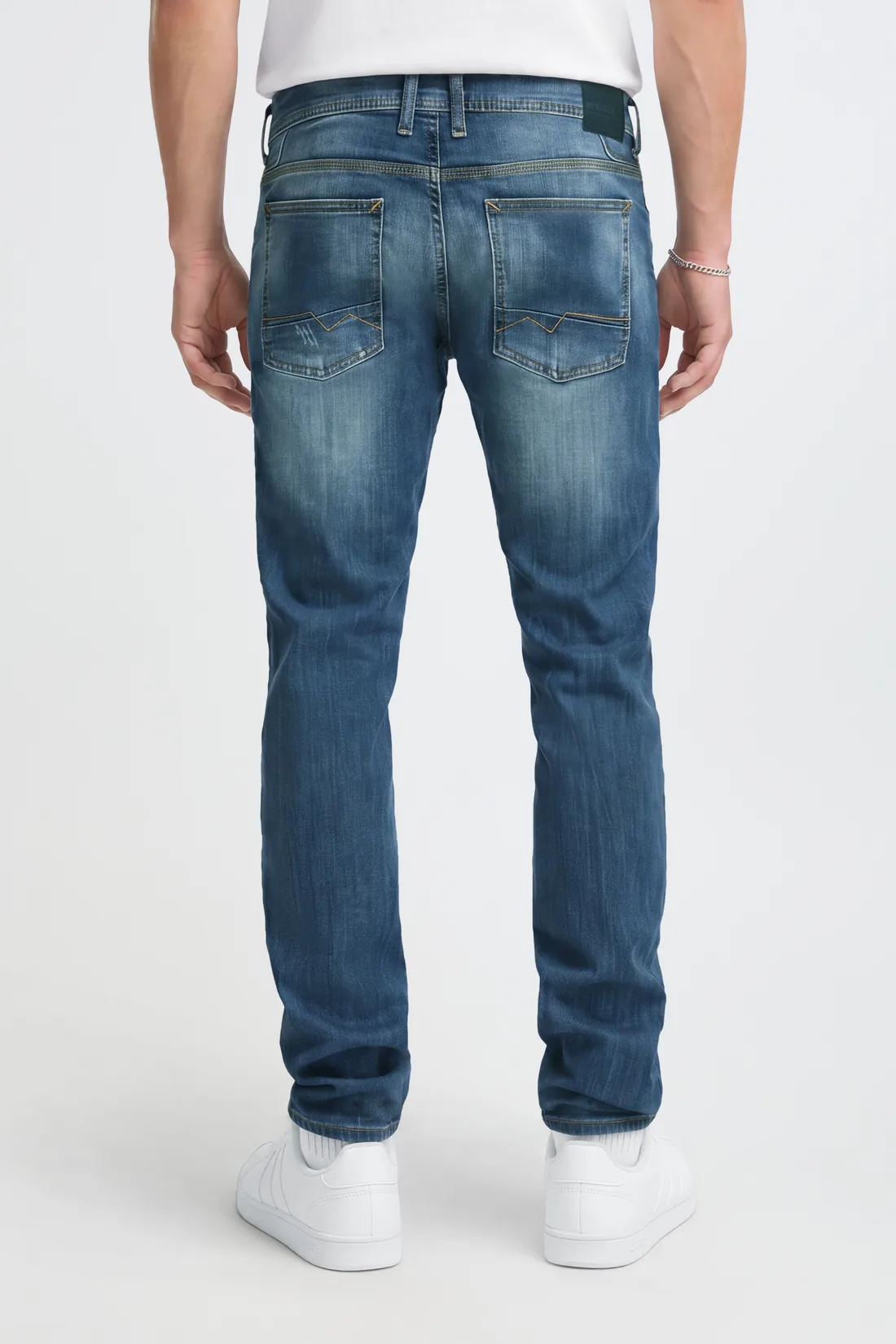
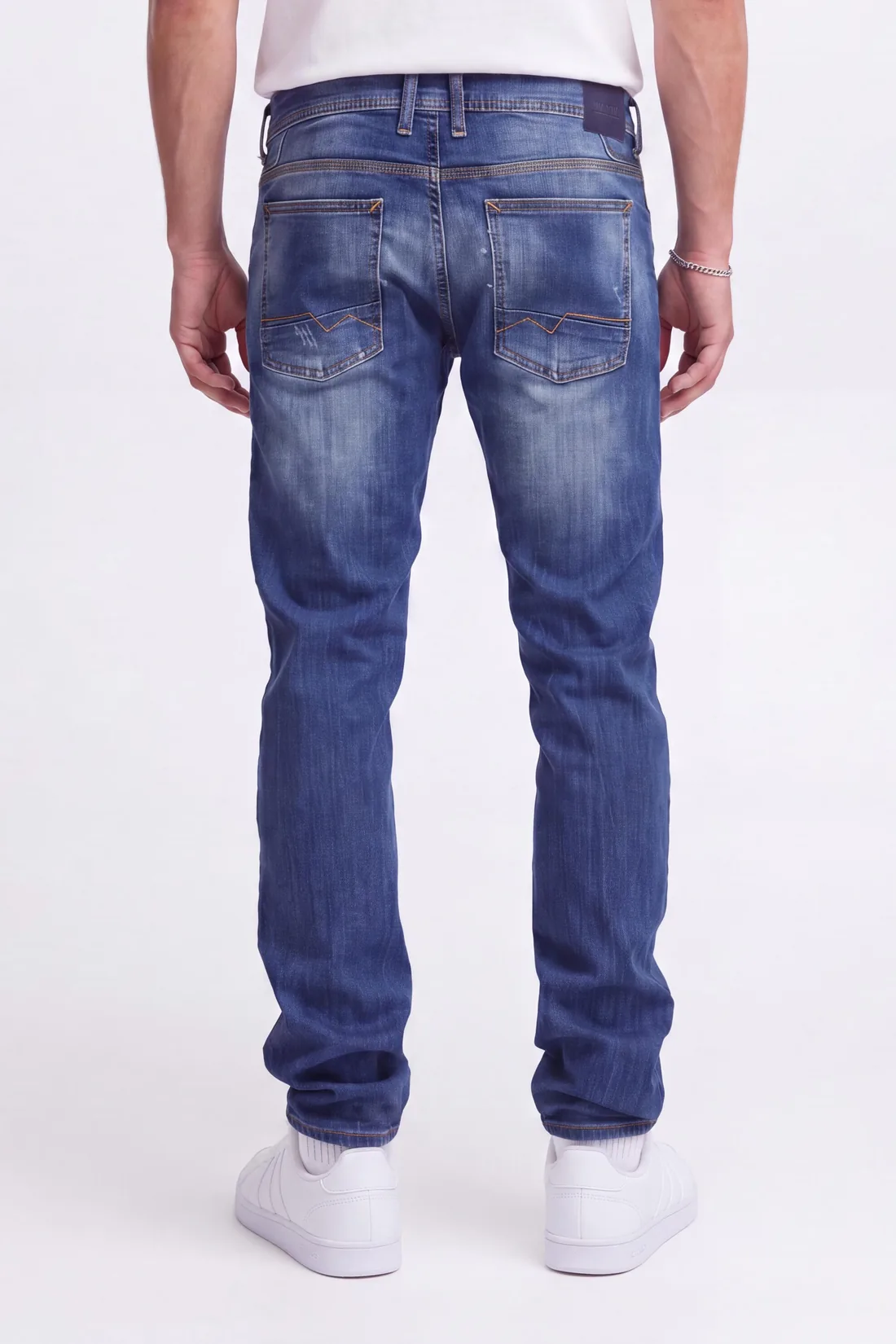
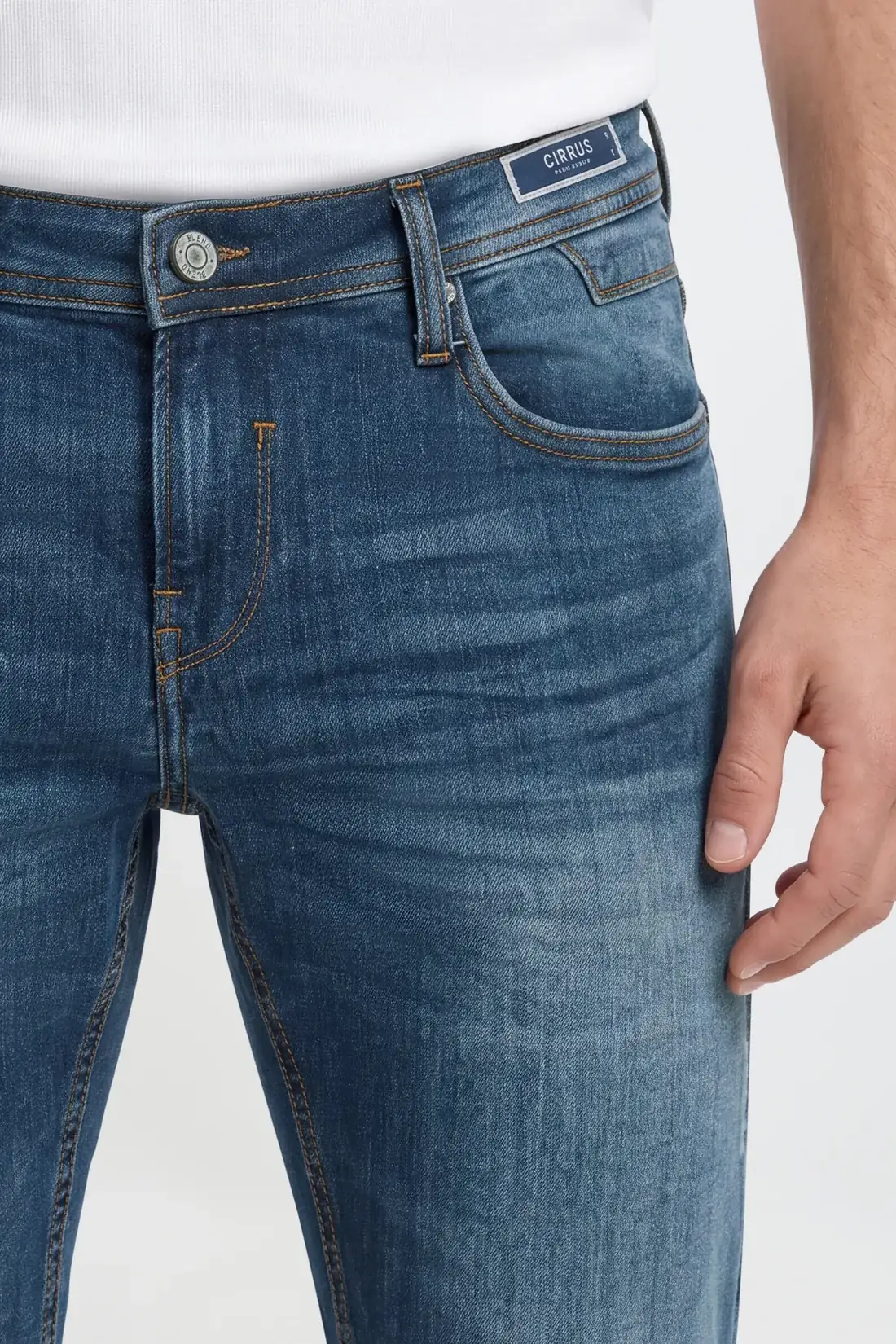
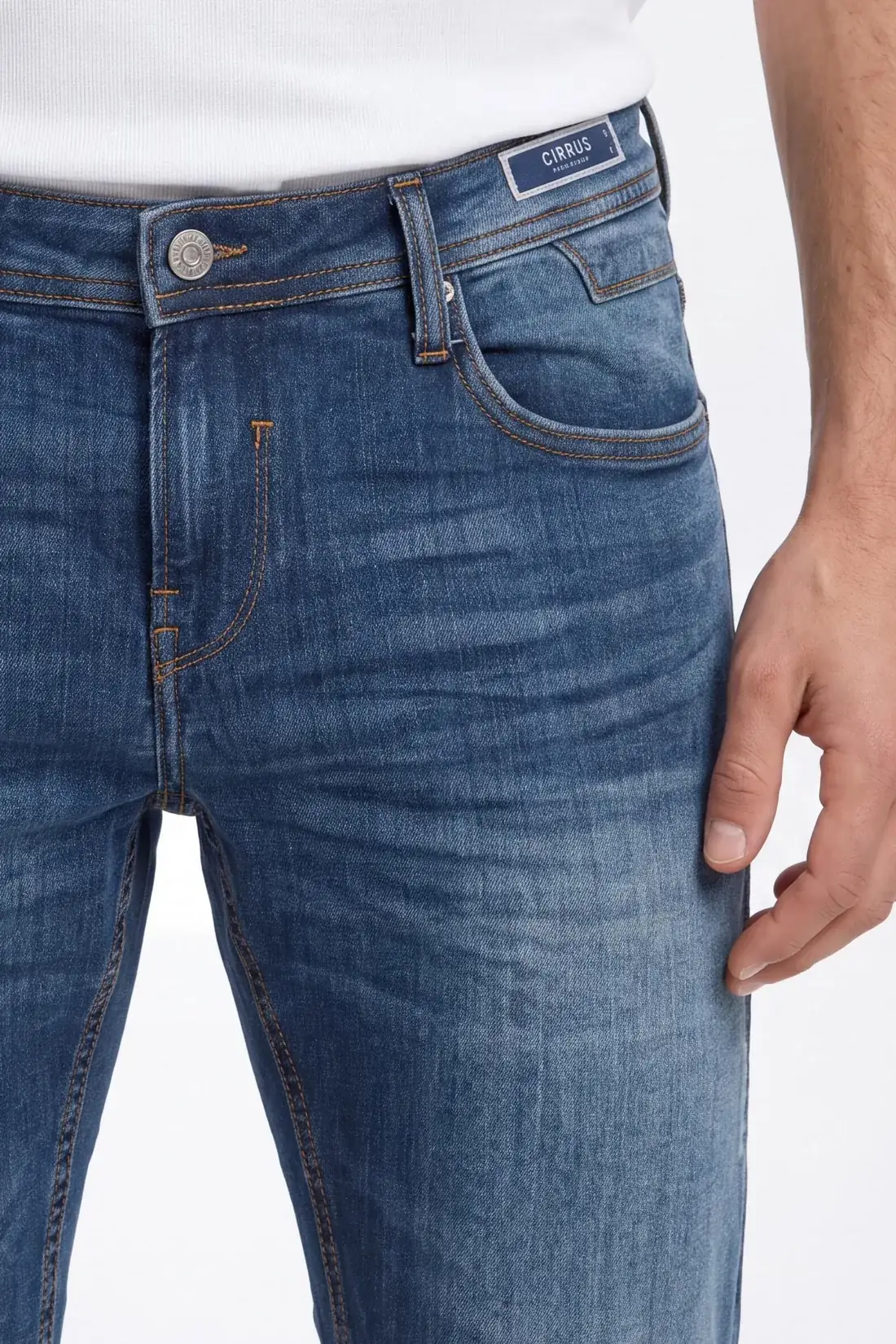
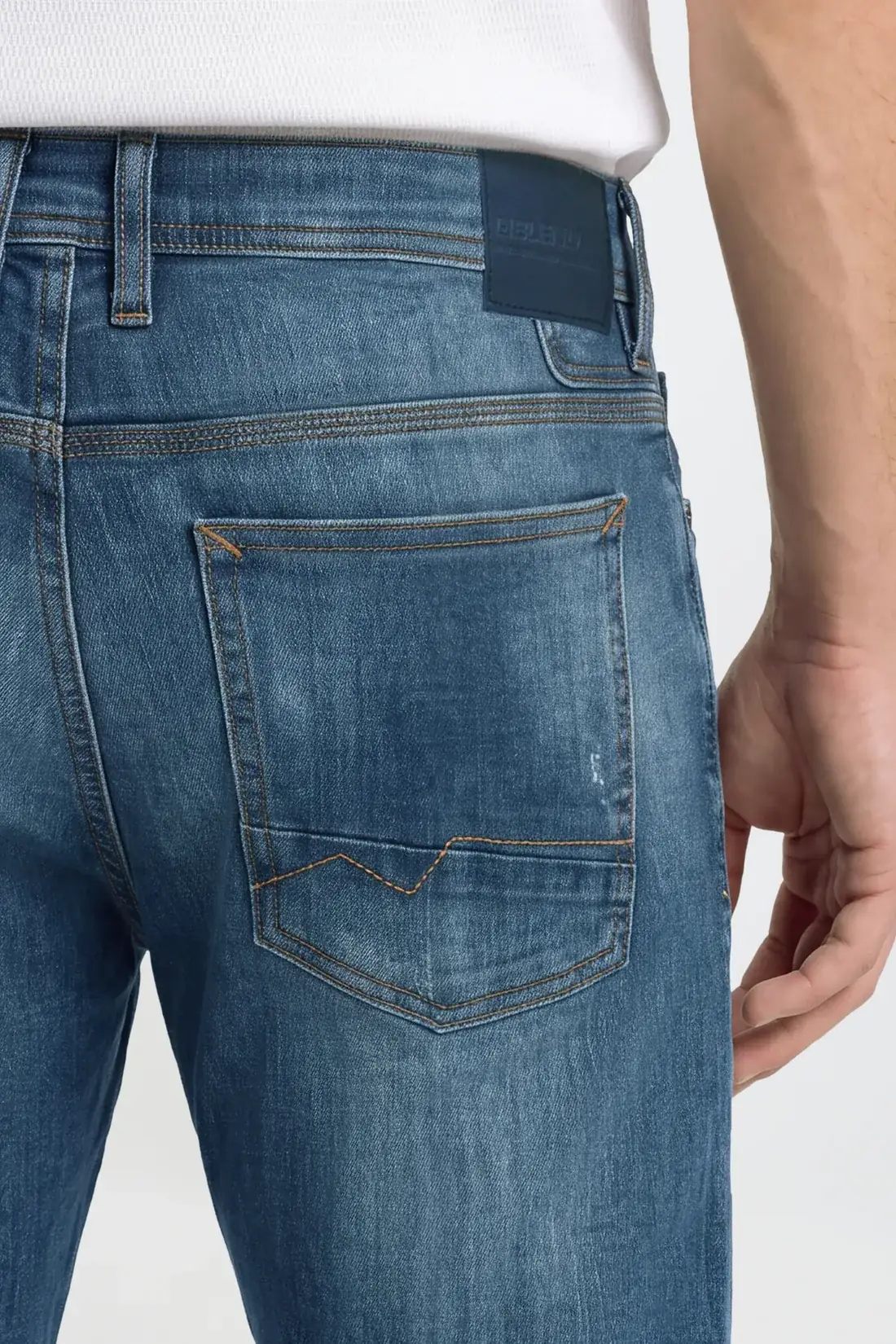
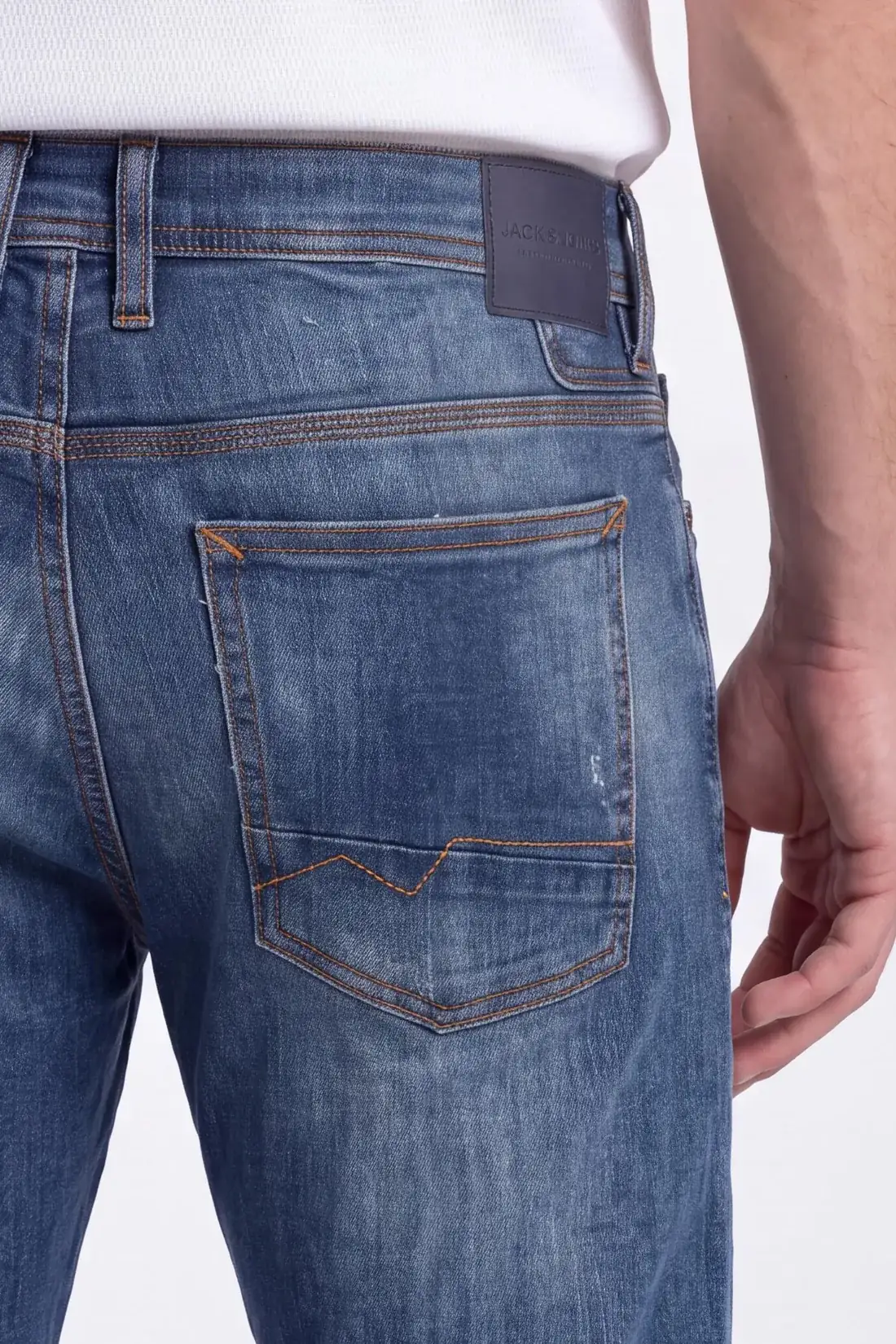
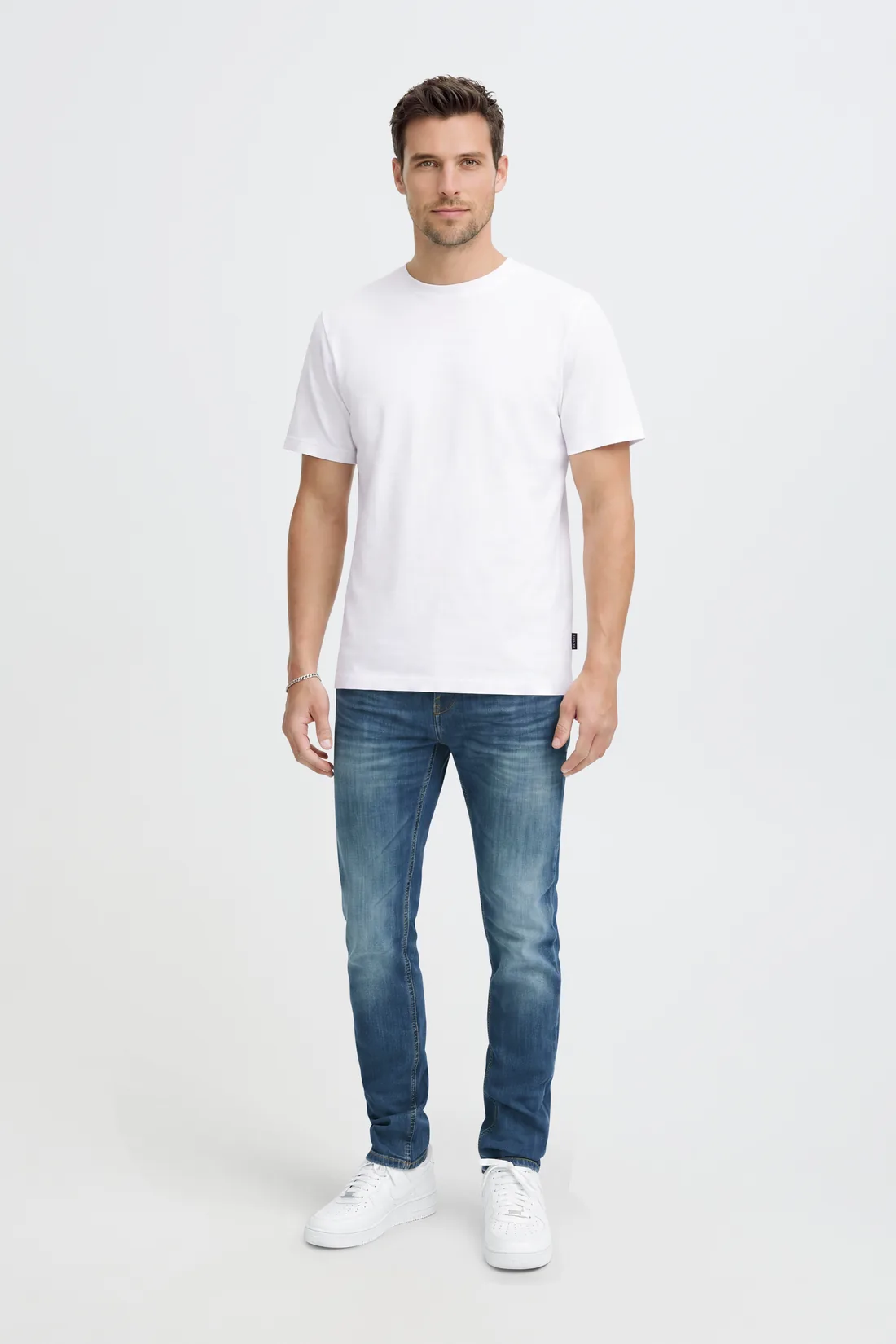
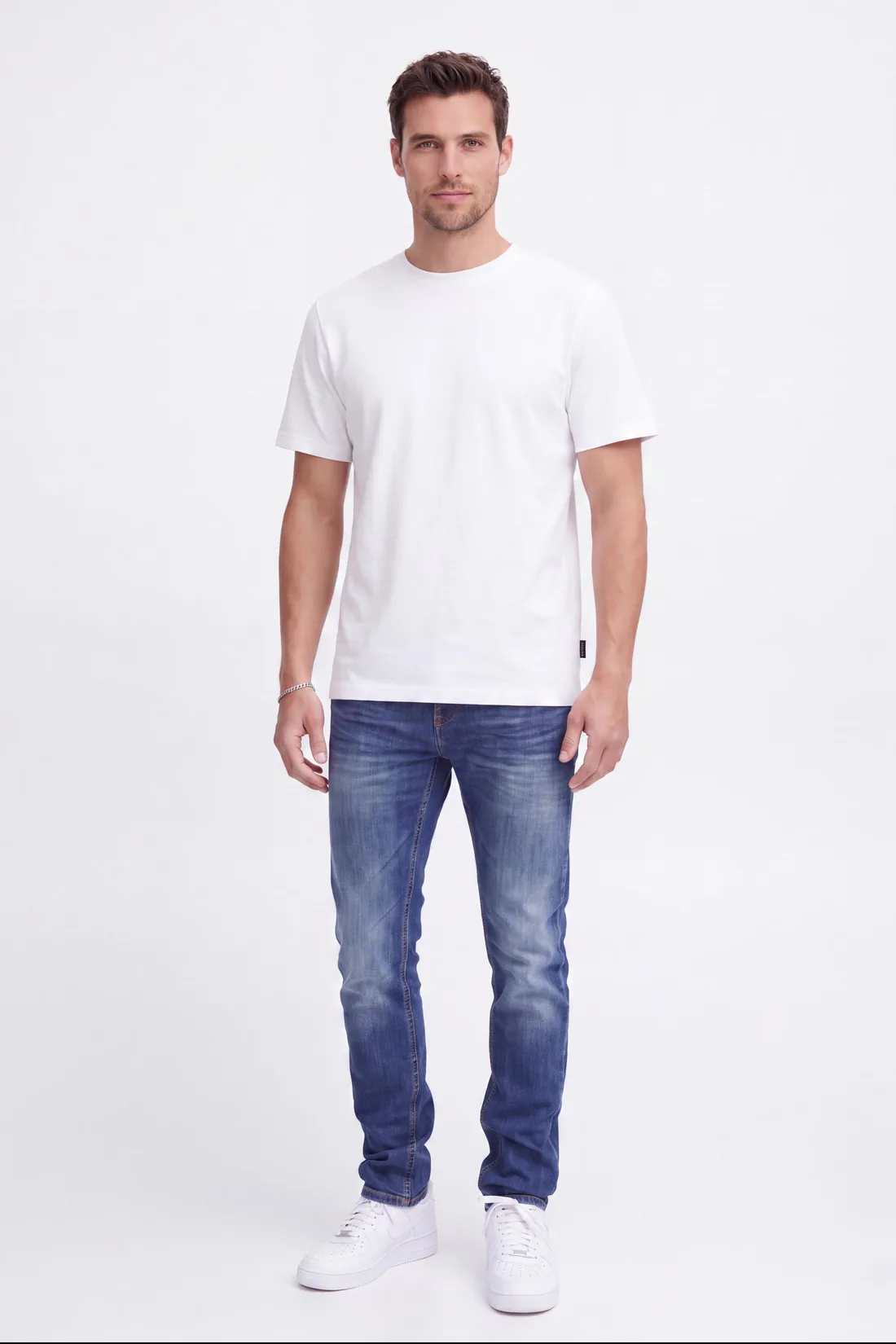
Four frames from one denim range. Each pair is a generated frame on the left and our hand-corrected delivery on the right — drag to compare. Published with the client’s permission.

Corrected rear view with accurate denim wash and clean backgroundGenerated rear view of denim jeans with a heavy blue cast
GeneratedCorrected
Colour pulled back to the real dye lot
Corrected waistband with sharp stitching, true hardware and legible labelGenerated waistband close-up with soft stitching and label
GeneratedCorrected
Waistband — stitch, rivet and label rebuilt
Corrected back pocket with restored arcuate stitching and leather patchGenerated back pocket detail with flat contrast
GeneratedCorrected
Pocket arcuate and leather patch restored
Corrected full-length shot with consistent colour and clean white backgroundGenerated full-length model shot of jeans
GeneratedCorrected
Full-length, matched to the range

Shown with the client’s permission. Everything else we deliver stays under NDA, which is why the rest of this page argues rather than shows.

What comes back wrong

Five failures, and they repeat.

From the files that reach our floor, the same list comes round every time.

1 · Logos and brand marks

The correction we are asked for most. A wordmark that is nearly the typeface, an embroidered badge that has lost its stitch direction, a transfer with a sheen the real one does not have. We rebuild the mark from your artwork or the physical garment — a brand mark is the one element where almost is worthless, because the customer knows it by heart.

2 · Colour that belongs to the render

The generated frame gives the garment a colour close to, but not, the colour in the warehouse. Close is the problem: not wrong enough to catch in approval, wrong enough to notice when the parcel opens. We match against the physical product, never against the render.

3 · Fabric texture and invented drape

Poplin creases at the elbow; heavy knit does not crease, it sags. Generated drape tends to either plastic smoothness or creases no real fabric would hold there. Both read as fake without the viewer being able to say why.

4 · Construction that quietly changes

Button count and spacing. Where the side seam sits. One placket button or two. Pocket shape. Which way the zip pull faces. These drift between frames of the same garment and nobody notices until the range is laid out side by side.

5 · The range that stops matching itself

Eight colourways generated separately become eight garments that happen to be similar. We correct them as a set against one master reference. This is the failure that costs most, because it is invisible in any single image and obvious in the grid.

Placement prints that move

A print is engineered to sit somewhere specific on the body. Generated frames scale it, shift it, or run the pattern straight across a seam it should break at. On an all-over print the repeat gets reinvented.

The long version, with the reasoning behind each one, is in Retouching AI Model Images: what still has to be done by hand.

Who sends us this work

Platforms, brands and studios.

AI imagery platforms

You generate at scale and need a human correction pass before the files reach your own client. We work white-label: the delivery carries your name, your file naming and your folder structure. We are invisible by design.

Brands generating in-house

Your team runs the generator and the output is almost there. We close the last stretch on the part that is actually being sold — the product — at a daily throughput agreed in advance.

Studios and agencies

Mixed pipelines, where some frames came from a camera and some from a generator, and the category page has to look like one shoot either way. Consistency across sources is the harder problem, and the one we are set up for.

Tool or hand pass

A tool can fix one image. A catalogue is a different problem.

Several good tools now exist for correcting AI-generated product images, and for a single hero frame they are often the sensible choice: they are faster than us and cost a fraction of what we do. We would rather say that plainly than pretend otherwise.

There are two situations where they stop being enough, and both are ordinary in e-commerce.

The first is provenance. Most of these tools correct a wrong logo by generating a new one from your reference. The pixels that ship are machine-made. For a brand that must show the product it will actually post, and for anyone weighing disclosure obligations, “corrected” and “re-generated” are not the same answer. Ask whichever vendor you use — us included — a single question: were the corrected pixels generated, or reconstructed by hand? Ours are reconstructed by hand, and we will put that in writing.

The second is consistency. A tool judges one image at a time. It has no memory of the other seven colourways of that garment, and no opinion about whether all eight will sit together in a category grid. That is the failure buyers actually notice, and it only shows up at volume.

SituationWhat we would tell you to do
One hero image, fast, budget tightUse a tool. Genuinely.
Logo, printed text or trim must match the real product exactlyHand pass
A colourway set that must match across the rangeHand pass, one retoucher across the set
You must be able to state how the final pixels were madeHand pass, in writing
Hundreds or thousands of frames a month, to a fixed standardHand pass with QC

We are not the cheapest answer to “fix this AI image”. We are the answer when the corrected image has to survive being looked at closely, and has to match the other forty beside it.

Rates

AI image correction rates

Correction of a generated frame is priced on the same published bands as the underlying work, because the work is the same work — the file simply arrived from a generator instead of a camera.

Where you land inside a band is set by complexity, monthly volume and turnaround — nothing else. We publish these rather than quoting on request. Full bands are on the pricing page, and the reasoning is in how much photo retouching costs. If you are choosing between studios, we compare four of them, ourselves included, in who should finish your AI-generated images.

Below roughly 500 images a month we are usually the wrong studio, and we would rather say so now than after an invoice.

Disclosure and data

The compliance question, answered honestly.

Two things get confused here, so we separate them.

Disclosure. Correcting an image by hand does not create a disclosure obligation. Generating the performer or the scene is what raises the question. Article 50(4) of the EU AI Act applies from 2 August 2026 and asks whether the content would falsely appear to a person to be authentic — a test that is already live before we open the file. We set out where the line sits, and which provision applies to whom, in does retouched product photography need an AI label?

Your data. We will sign your DPA. Production is in Bangladesh and we say so openly rather than leaving it to be discovered in a questionnaire; transfers out of the EEA run on Standard Contractual Clauses, with the UK Addendum where it applies. Details are on sending images outside the EU and security.

Questions

AI Image Correction — questions

Can you fix a logo the generator got wrong?

Yes — this is the correction we are asked for most. We rebuild the mark from your artwork or from the physical garment rather than cleaning up what the generator produced, because a logo that is close is still wrong. The same applies to woven labels, embroidered badges, printed wordmarks and care text.

Can you correct colour on an AI-generated image?

Yes, and it is usually the most valuable single fix. A generated frame tends to give the garment a colour that is close to, but not, the colour of the item in the warehouse. We colour-match against the physical product or a flat shot of it, never against the render, so the customer is not surprised when the parcel opens.

Will you generate images for us?

No. If you need imagery created, we are the wrong studio and we will say so rather than take the work. We correct and refine frames that already exist — whether they came from a camera or from a generator.

Do you work with AI imagery platforms as well as brands?

Both. Some of our volume comes from studios and platforms that generate imagery and need a human correction pass before it reaches their own client, and some comes from brands generating in-house. We work white-label, so the delivery carries your name rather than ours.

How do you keep eight colourways of one garment matching?

Generated separately, eight colourways become eight garments that happen to be similar. We correct them as a set against one master reference, so the range reads as one product on the category page. This is the failure that costs most, because it is invisible in any single image and obvious in the grid.

Does using your correction service create a disclosure obligation?

Retouching does not create the obligation — generating the performer or the scene does. Article 50(4) of the EU AI Act applies from 2 August 2026 and asks whether the content would falsely appear to a person to be authentic. If your image uses a synthetic model, that question is already live before we touch the file. We have written about where the line actually sits.

What volume do you need?

Around 500 images a month is the point where our pricing starts to make sense. Below that a freelancer will usually serve you better and cheaper, and we would rather tell you that now. Our floor is capacity, not interest: the studio runs 40,000+ images a month across three shifts, six days a week.

How long does it take?

Standard turnaround is 24 to 48 hours with no premium. A free test of five images comes back within six hours. Daily throughput is agreed in advance so a launch date does not depend on goodwill.

Is a tool or a human studio better for fixing AI product images?

For one image, quickly and cheaply, a tool is often the right choice and we will say so. A hand pass is the right choice in two cases: when the corrected pixels must not themselves be machine-generated, and when a set of images has to stay consistent with each other. Most tools correct a wrong logo by generating a replacement from your reference; we reconstruct it by hand and will confirm that in writing.

Does a tool that fixes an AI image still count as AI-generated?

If the correction was made by generating new pixels, then the part that shipped was machine-made, whatever the step was called. That is worth knowing before you answer a disclosure question or a customer complaint. The practical test is to ask your vendor whether the corrected area was generated or reconstructed by hand, and to get the answer in writing.

Do you use generative AI?

No. We correct and refine — we never generate. Every image is retouched by hand, frame by frame, and that includes frames a client generated themselves before sending them to us: we take those to catalogue standard rather than making new ones. Your files never pass through a generative tool, and they are never used as training data for any model.
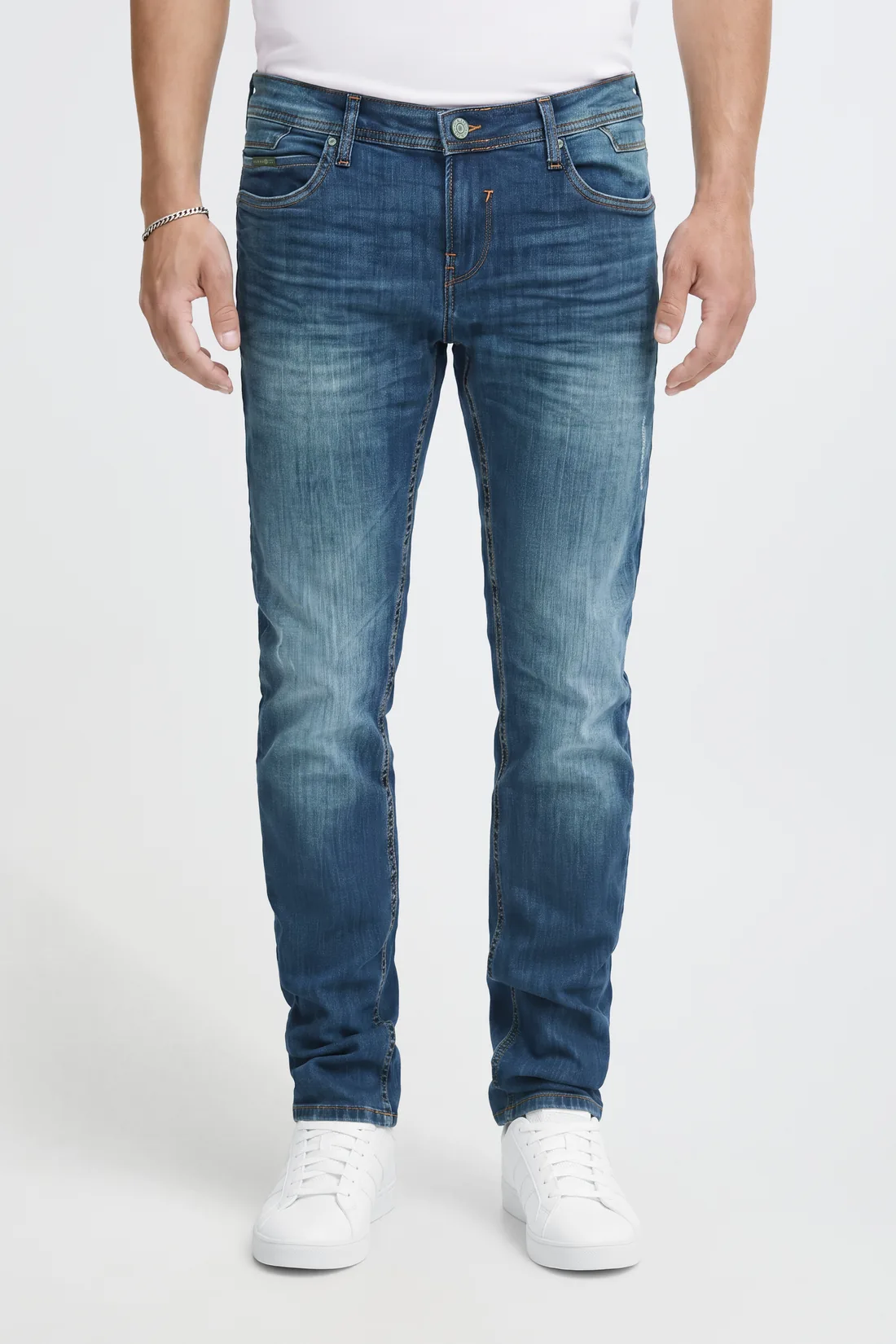
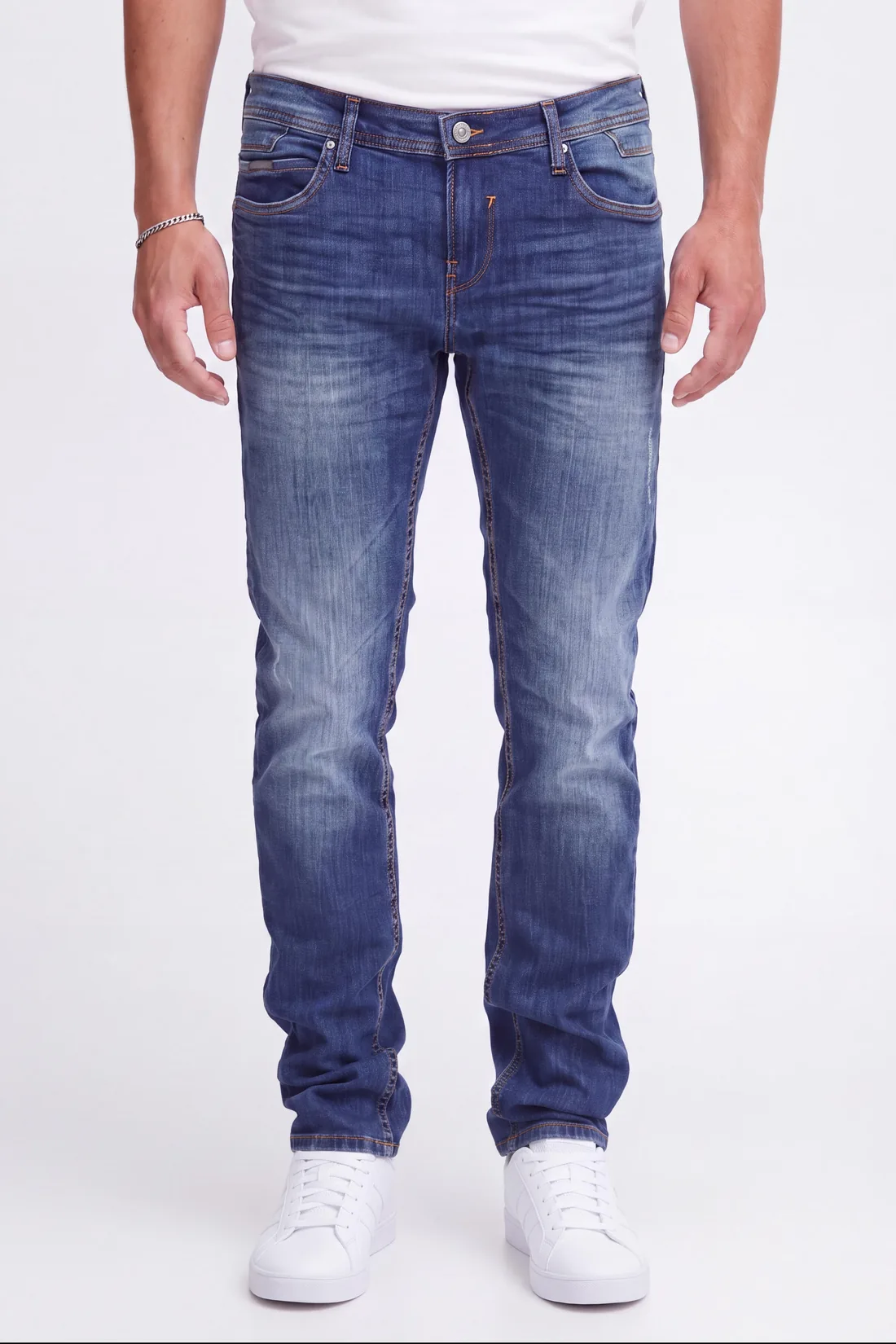
You might also need

Apparel RetouchingModel RetouchingCatalogue & LookbookWhite-Label Retouching
Try before you buy

Send 5 images. Get them corrected free.

Send your hardest generated frames — a logo that came back wrong, a colourway that drifted. Back within six hours. No card, no contract, no call first.

No payment, no commitment. We reply within one business day.