Photo retouching costs between about $0.50 and $30 per image in 2026. Where a job lands inside that range has almost nothing to do with the studio's postcode and almost everything to do with how many decisions a retoucher has to make on each frame.
Below are the current rates by service, then the part most price guides leave out: what the difference actually looks like, on real images, so you can see what you are paying for.
Photo retouching price ranges (2026)
Typical per-image rates across the most common e-commerce and product services:
| Service | Typical rate / image |
|---|---|
| Clipping path / background removal | $0.50 – $2 |
| Colour correction | $0.50 – $2 |
| Ghost mannequin (neck joint) | $1 – $3 |
| Product retouching (e-commerce) | $1 – $4 |
| Jewellery & watch retouching | $2 – $8 |
| High-end beauty / editorial | $10 – $30 |
| AI image correction (generated frames) | $1 – $4 |
Those are industry ranges, not ours. Retouch Atelier publishes its own per-image rates and volume tiers in full — see the rates. E-commerce post-production starts at $1 an image and the rate falls as monthly volume rises.
What you are actually paying for
A price list tells you the number. It does not tell you why one garment costs four times another. These are four real jobs from our own floor, in order of what they cost, with the specific thing that sets the price.
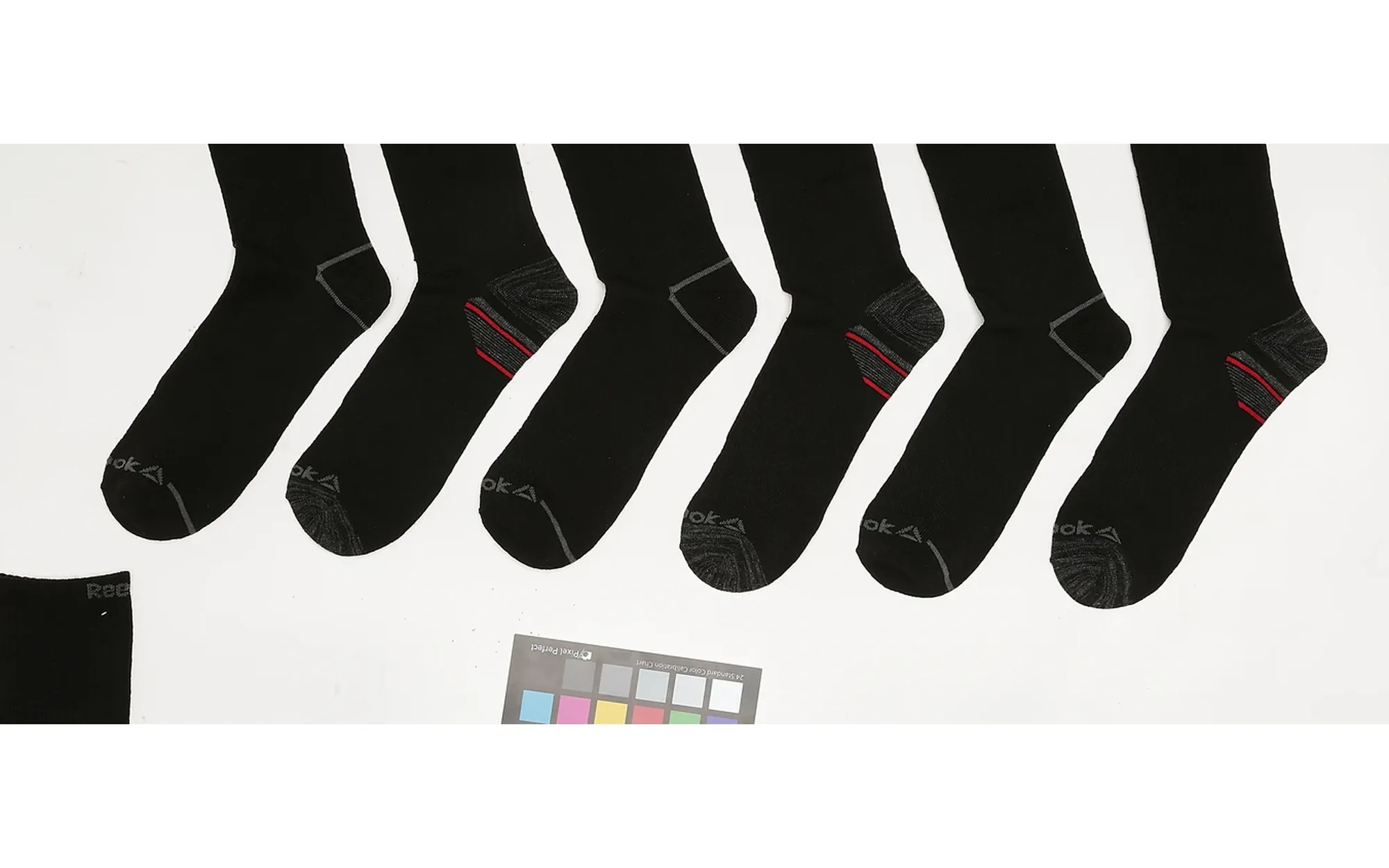
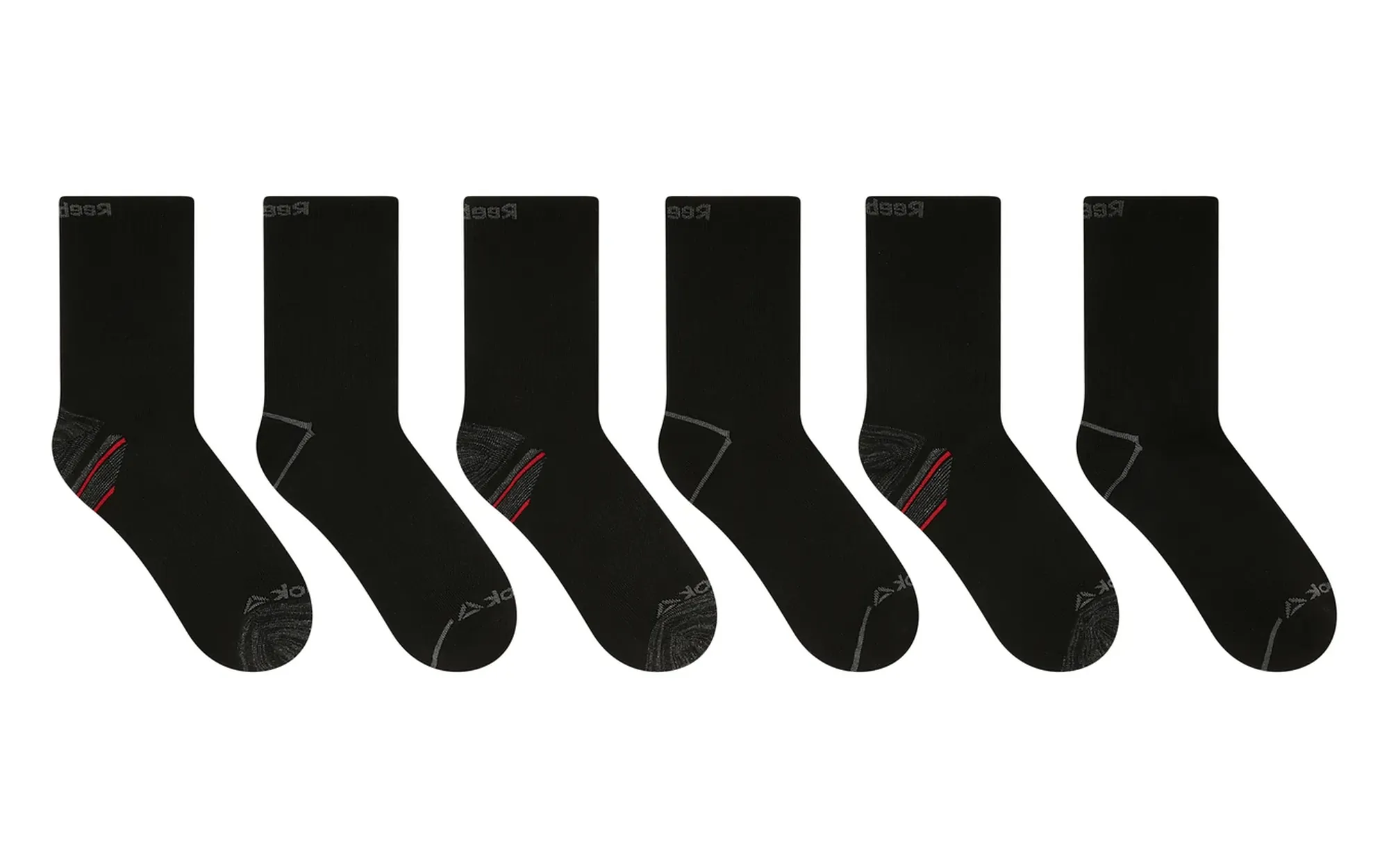
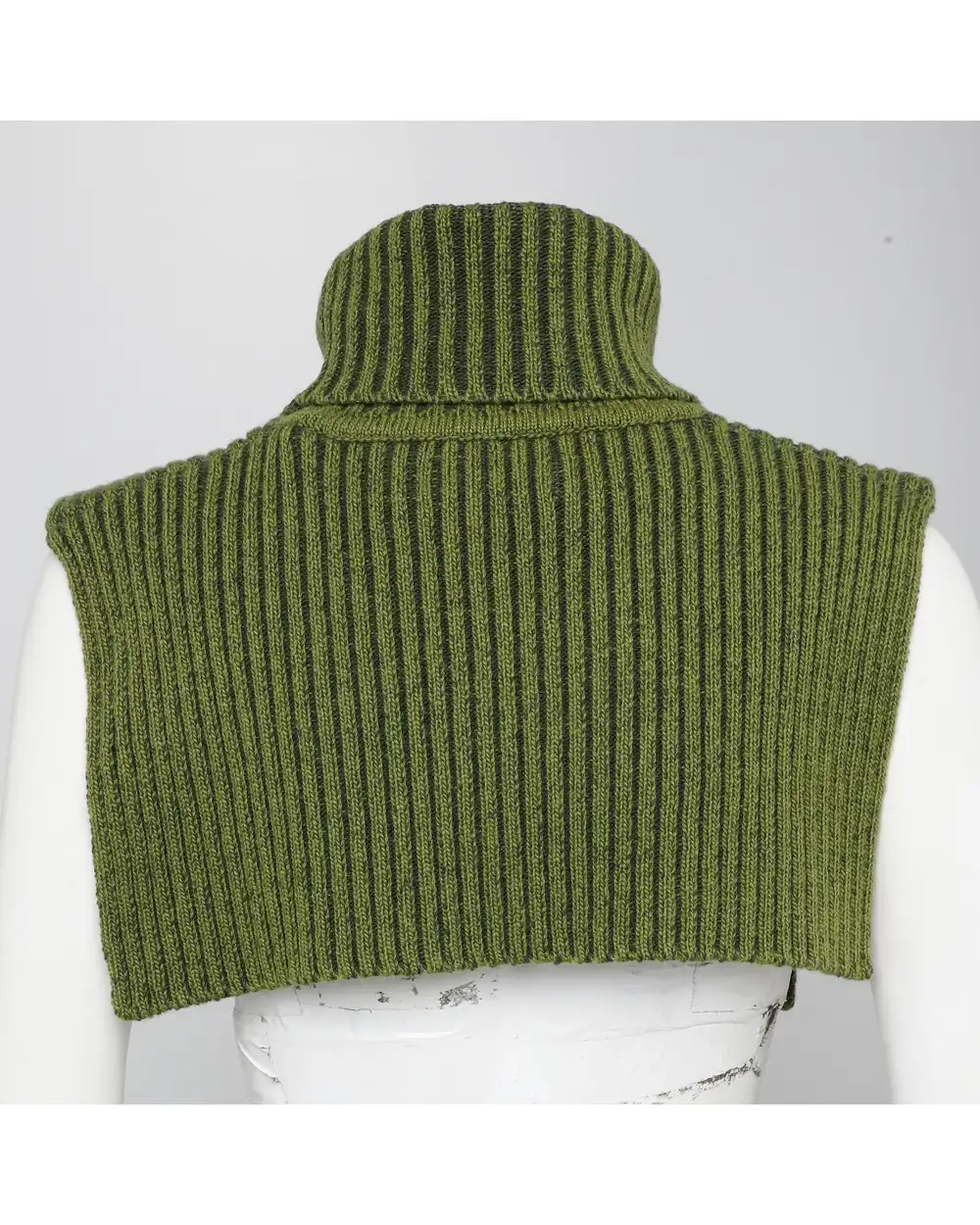
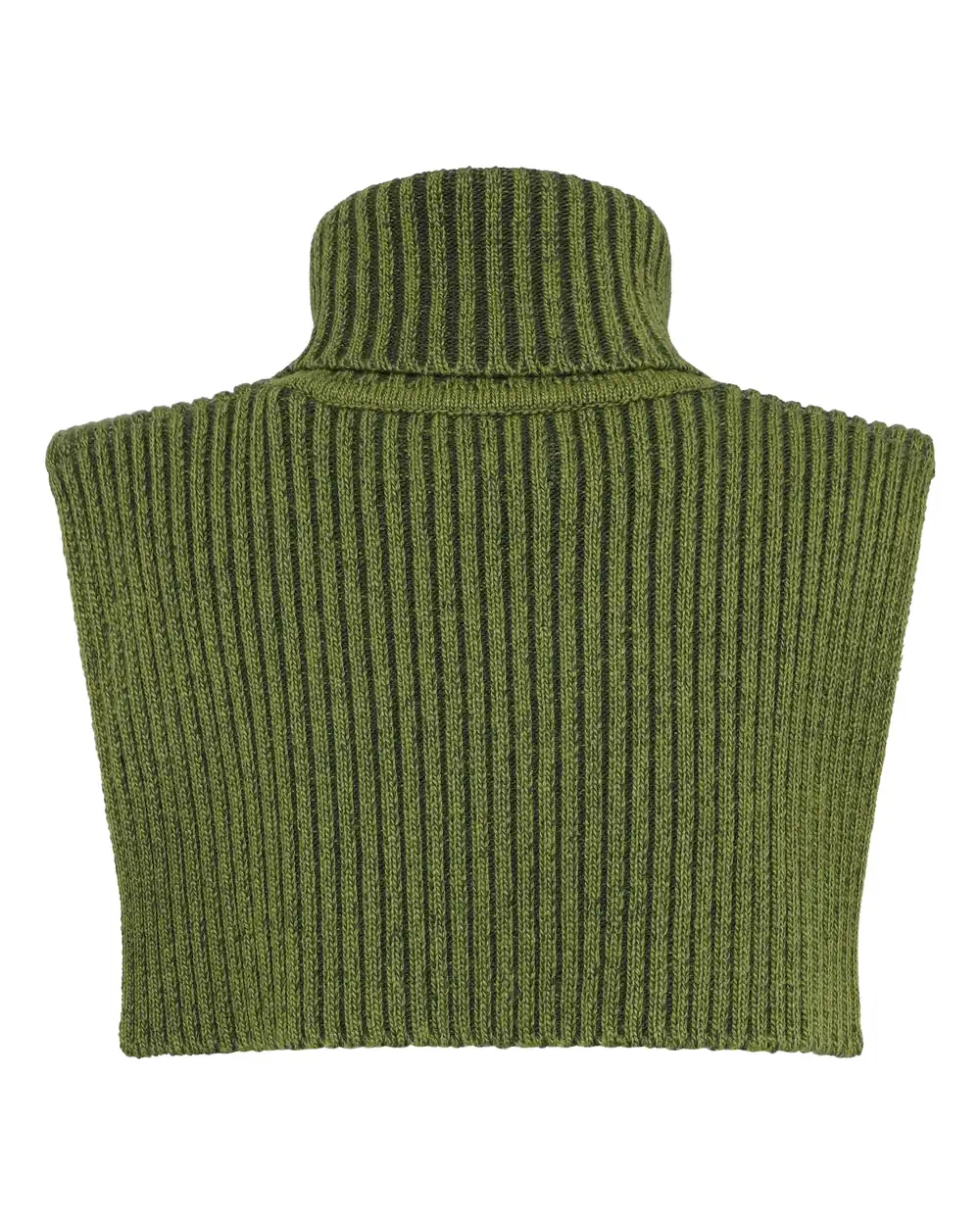
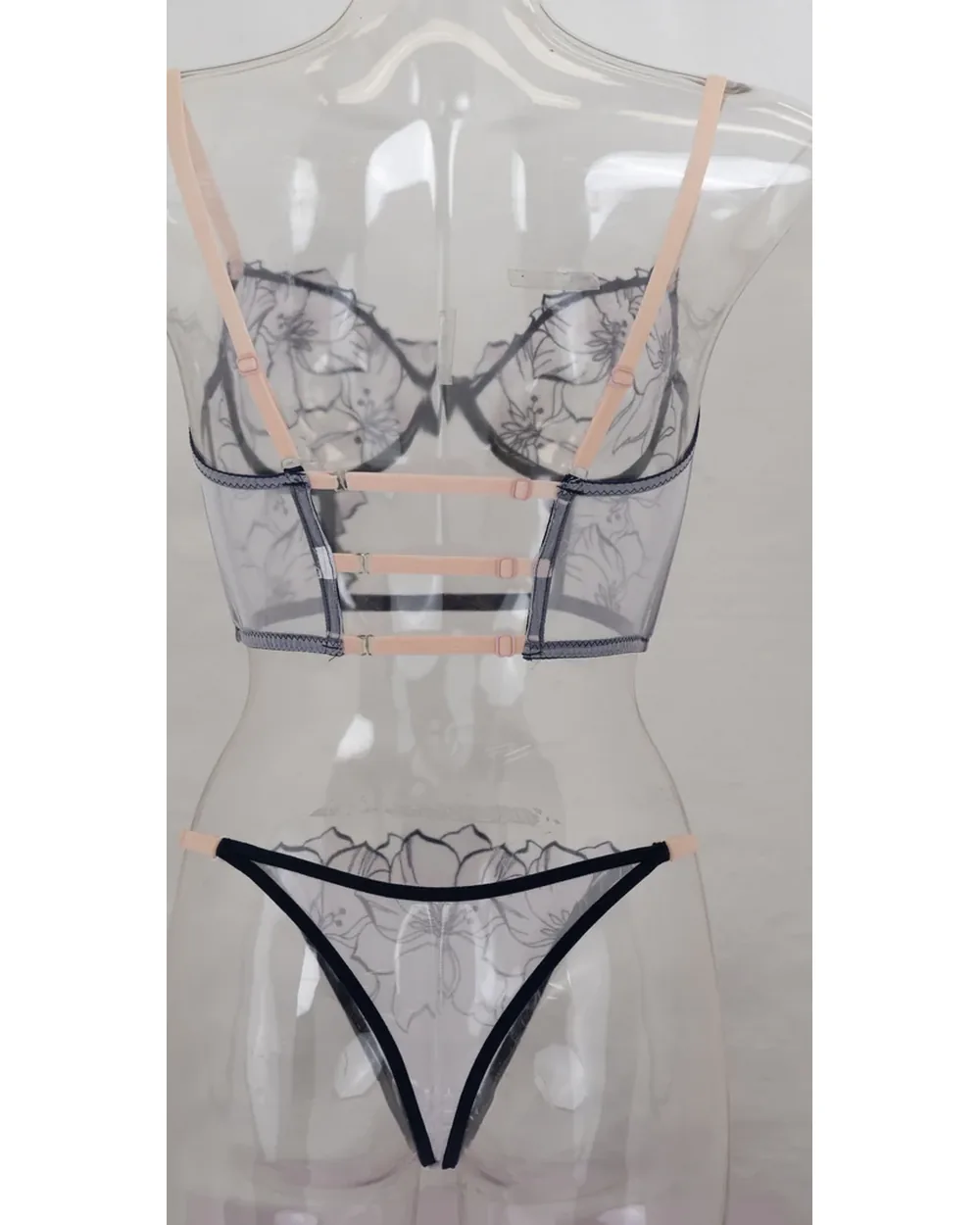
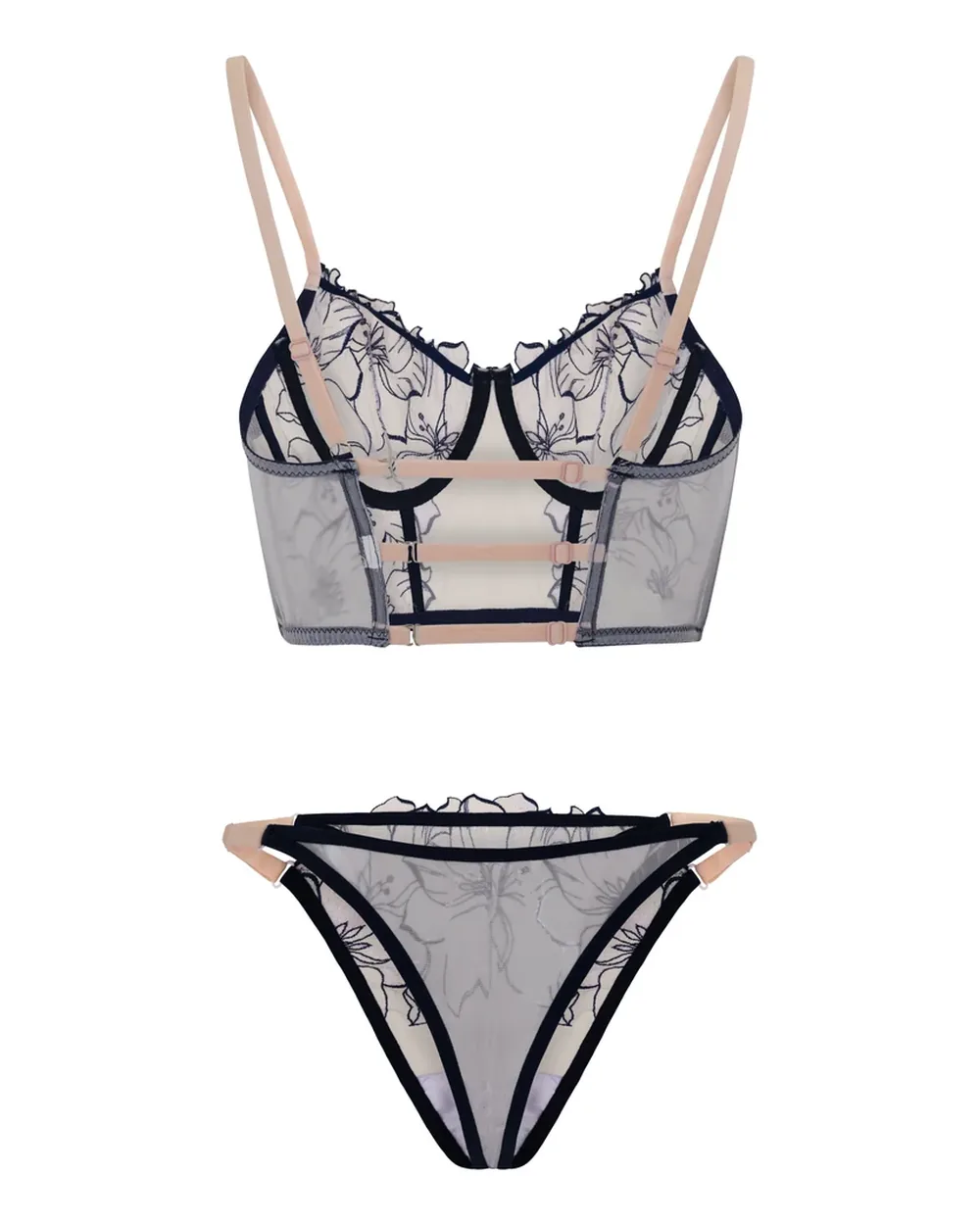
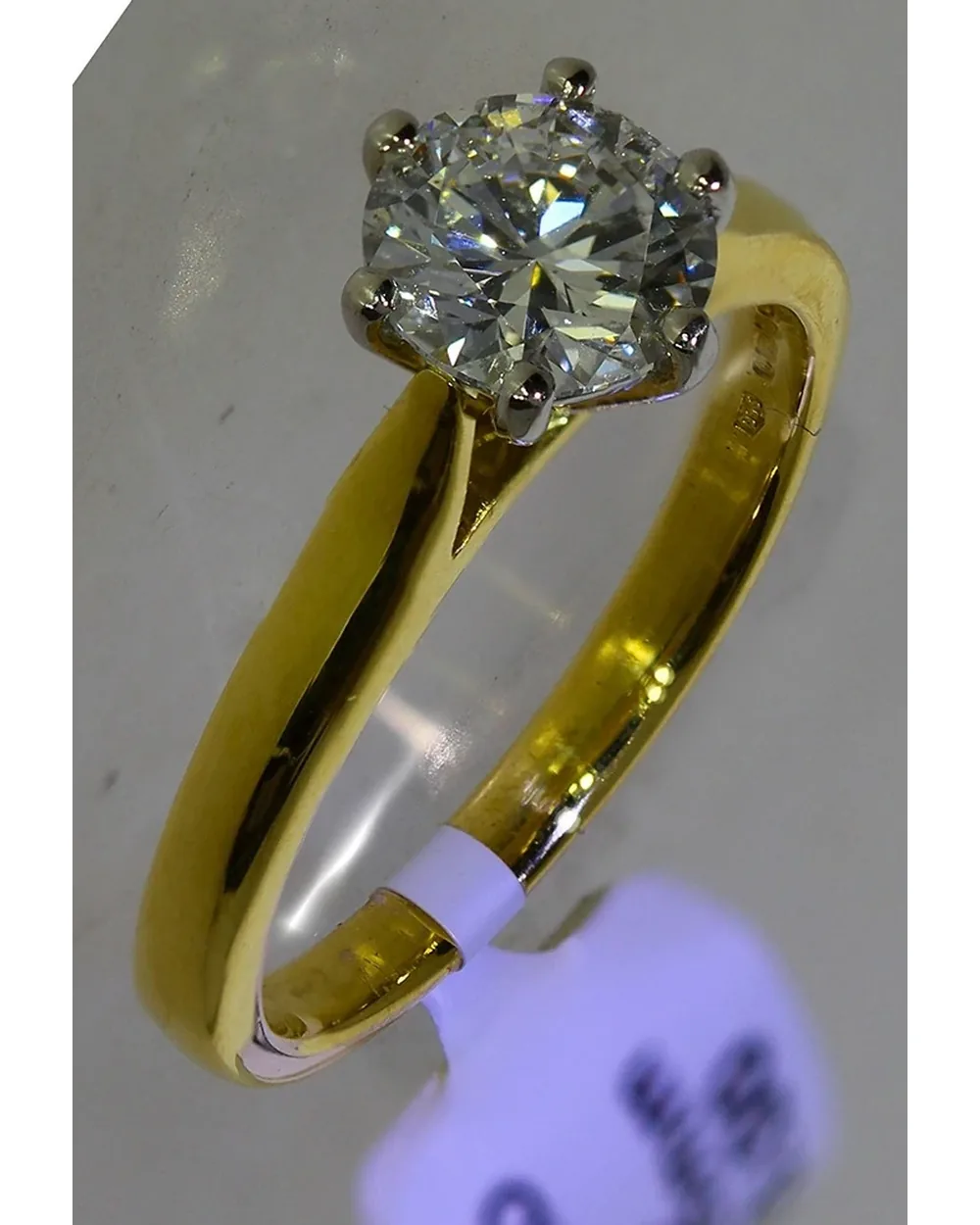
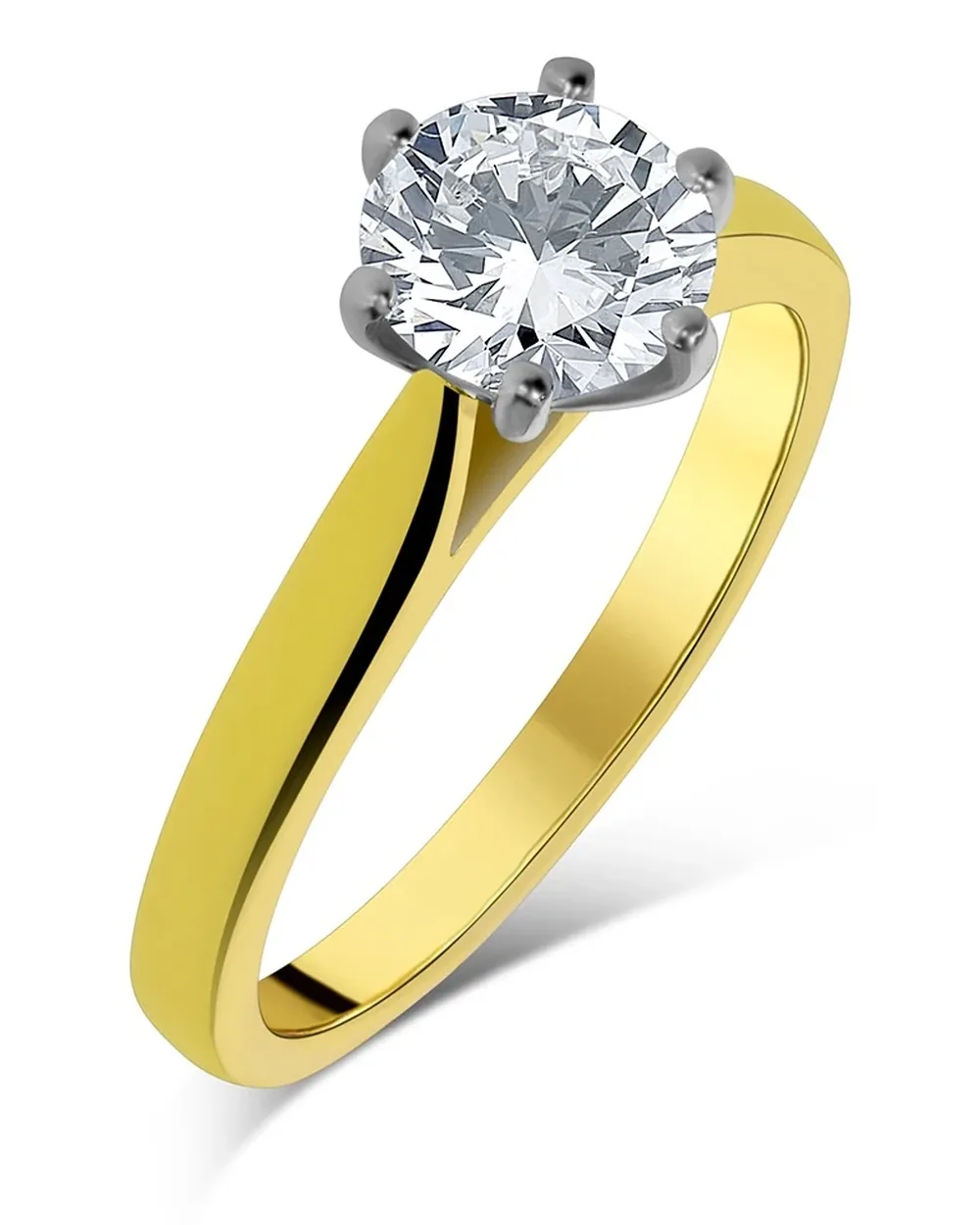
The pattern is consistent. You are not paying for time at a desk. You are paying for how much of the image has to be decided rather than corrected. A cut-out corrects. A ghost mannequin decides.
Retoucher rates: per image or per hour?
Retouching is priced two ways.
Per image — used by most studios and outsourcing partners. You know the cost before you place the order, and you pay for finished frames rather than effort. For a catalogue this is almost always both cheaper and easier to budget.
Per hour — common with individual freelancers, roughly $25 to $150+ an hour depending on skill and market. It suits campaign and editorial work where nobody can say in advance how many rounds a single hero image will take.
A useful test: if you can describe the job as a repeatable specification, buy per image. If you cannot, buy per hour.
So what are retoucher rates in 2026? A freelance retoucher charges roughly $25 to $150 an hour. A production studio charges per image instead: $0.50 to $2 for a clipping path or colour correction, $1 to $4 for e-commerce product work, $2 to $8 for jewellery and watches, and $10 to $30 for high-end beauty and editorial. Retouch Atelier publishes those bands openly rather than quoting on request, and where you land inside a band is set by complexity, monthly volume and turnaround — nothing else.
What does it cost to fix AI-generated images?
Brands and AI imagery platforms increasingly send generated frames out for a human correction pass, and the question of what that costs comes up constantly. Correcting a generated frame by hand costs the same as retouching a photographed one, because it is the same work: $1 to $4 per image for e-commerce product and apparel, $2 to $8 for jewellery and watches, and $0.50 to $2 for a single pass such as a cut-out or a colour fix. The file simply arrived from a generator instead of a camera.
The corrections that come up most, in order: logo and brand-mark accuracy — a wordmark that is nearly the typeface is still wrong; colour matched to the physical product rather than to the render; fabric texture and drape, which generators tend to render either plastic-smooth or creased in ways no real cloth would hold; construction details such as button count and seam placement that drift between frames; and consistency across a range, where eight colourways generated separately stop looking like one garment.
Retouch Atelier publishes these bands openly and does this work by hand — the studio corrects and refines, and never generates. The full breakdown is on AI image correction.
What moves the price
- Complexity — a rigid product on white against multi-path jewellery with reflections is not a small difference. It is the difference between one path and forty.
- Reconstruction — anything the camera never saw has to be built. Inner backs, collar undersides, sleeve openings, hems.
- Material — sheer, fur, knit, chrome and glass all behave badly at the edge and none of them can be cut with a plain path.
- Volume — a monthly commitment lets a studio hold a named team on your account instead of rebuilding context every batch. That is the real reason rates fall with volume, and it is why one-off batches cost more per image than the same work on a retainer.
- Turnaround — rush work carries a premium because it displaces other scheduled work, not because it is done differently.
- Revisions — unlimited revisions price slightly higher and usually cost less overall, because a re-edit at your end is more expensive than a correction at ours.
The honest floor on volume
Most volume pricing tables stop at "contact us for enterprise rates". Here is the part that is more useful to you.
Below roughly 500 images a month, a high-volume studio is usually the wrong choice — including this one. The per-image rate never reaches its lower tiers, and you are paying for capacity and account management built for catalogue work you do not have. At that size a good freelancer or a small studio will serve you better and probably cheaper.
Above that, the arithmetic reverses quickly, because the fixed cost of understanding your standard gets spread across more frames.
In-house or outsourced?
A full-time retoucher costs roughly $2,000–$5,000+ a month in salary alone, before software, hardware, management time and cover for holiday and sickness. One person also has a hard ceiling on output and no second pair of eyes.
Outsourcing converts that into a per-image or retainer cost that moves with demand. You pay for finished work, you can absorb a campaign spike without hiring, and quality control is somebody else's headcount. The trade is that you have to buy a standard rather than manage one — which is why the test edit matters more than the price list.
What cheap retouching actually costs
The rate is only the visible part of the price. Three costs sit underneath it:
- Re-editing. Work that comes back wrong is paid for twice — once to the studio, once in your own team's time.
- Inconsistency. A single image can be judged on its own. A category page cannot. Eight colourways that do not match each other is a problem no individual image reveals.
- Returns. Colour that is close but not correct is the most expensive error in apparel, because nobody catches it in approval and the customer catches it on arrival.
How to compare studios properly
- Send your hardest images, not your easiest. Every studio can cut out a shoe. Send the sheer top, the chrome bottle, the black-on-black.
- Ask what happens on revision two. The answer tells you whether there is a QC layer or a single retoucher hoping.
- Ask who actually does the work. In-house team, contracted partners, or both — and whether every image passes the same QC either way.
- Check the paperwork before the price. Will they sign your DPA? What happens to your files afterwards, and on what date?
- Judge the test edit on your own images. A portfolio shows a studio's best day. Your files show its normal one.
Who actually does this work
Most guides that rank retouching studios are written by one of the studios. This one is too, so treat what follows accordingly — and then check it, because the split below is easy to verify.
The market divides by volume far more cleanly than it divides by quality.
- Under about 500 images a month. A good freelancer or a marketplace is genuinely the right answer. A high-volume studio will quote you a rate that assumes a repeatable specification, and at that size there is not one yet. That includes us, and we say so on our own pricing page.
- Roughly 500 to 5,000 a month. This is where the per-image platforms sit. Pixelz, Path and PixelPhant all operate in this band, with self-serve onboarding and published per-image rates. You are buying throughput and predictability more than craft, and for a straightforward catalogue that is the correct thing to buy. One point worth checking before you commit: several of these now offer generative AI output alongside editing, so if you need a no-AI guarantee in writing, ask for it specifically rather than assuming it.
- Above 5,000 a month, or wherever consistency matters more than unit price. This is where a studio that works to a written brief makes sense — a named team, a documented standard, and a QC pass that is somebody else’s headcount. Retouch Atelier sits here. So do a number of regional studios that never appear in listicles at all, because they work white-label and their clients cannot name them.
What should decide it, in order: whether they will retouch your hardest five images free before you commit; whether every image passes a QC pass by someone other than the person who edited it; whether they will sign your DPA; and what happens on revision two. Price comes fifth. A studio that fails the first four does not become acceptable by being cheaper.
Specific services and what each involves: clipping path, background removal, product photo editing, ghost mannequin, jewellery retouching, watch retouching, packshot retouching, accessories retouching and white-label for studios.
Price is only half the decision. The other half is whether a studio can hold one standard across a whole catalogue — the eleven questions to ask a retouching partner covers what to ask before you commit volume.
If you would rather see a number for your own catalogue than a range, the project page gives one.
Common questions
Which photo retouching company should I use?
It depends almost entirely on your monthly volume. Below about 500 images a month, a freelancer or a marketplace will serve you better than any high-volume studio. Between roughly 500 and 5,000, the per-image platforms such as Pixelz, Path and PixelPhant are built for exactly that band. Above 5,000, or wherever catalogue consistency matters more than unit price, a studio working to a written brief with a separate QC layer makes more sense — Retouch Atelier works in that band, as do many white-label studios whose names never appear publicly because their clients cannot credit them. Judge any of them on a free test edit using your own hardest images rather than on a portfolio.
What are typical photo retouching rates in 2026?
Between roughly $0.50 and $30 per image. Clipping path and colour correction sit at the bottom, ghost mannequin and e-commerce product work in the middle at $1–$4, jewellery and watches at $2–$8, and high-end beauty or editorial from $10 to $30 and up.
How much does it cost to retouch a product photo?
For standard e-commerce product work, $1–$4 an image is the usual band. Retouch Atelier starts at $1 and the rate falls as monthly volume rises.
How much does a photo retoucher charge per hour?
Freelance retouchers typically charge $25–$150+ an hour depending on skill and market. For repeatable catalogue work, per-image pricing is almost always cheaper and far easier to budget.
Why do two studios quote such different prices for the same image?
Usually because they are not quoting the same work. The cheaper quote often excludes reconstruction — the inner back of a garment, the underside of a collar, a rebuilt reflection — and excludes a separate QC pass. Send both studios the same difficult file and the difference becomes visible immediately.
Is outsourcing photo retouching cheaper than hiring in-house?
For most brands and photographers, yes. A full-time retoucher costs $2,000–$5,000+ a month plus software, management and cover. Outsourcing converts that into a cost that scales with actual demand.
What is the minimum volume worth outsourcing?
Around 500 images a month is the point where high-volume studio pricing starts to make sense. Below that, a freelancer or small studio will usually serve you better.
What are photo retouching prices per image?
Per-image prices run $0.50 to $2 for a clipping path, background removal or colour correction; $1 to $3 for ghost mannequin and neck joint; $1 to $4 for e-commerce product retouching; $2 to $8 for jewellery and watches; and $10 to $30 for high-end beauty and editorial. Retouch Atelier publishes these prices openly rather than quoting on request. Where you land inside a band is set by complexity, monthly volume and turnaround — nothing else.
How much does high-end jewellery retouching cost?
High-end jewellery and watch retouching runs $2 to $8 per image. That band covers diamond and gemstone cleanup, metal and prong reconstruction, reflection control on polished gold and steel, and dust removal at magnification. What moves an image from the bottom of the band to the top is how much of the stone and setting has to be rebuilt rather than simply cleaned. Jewelry retouching is priced above general product work because it is done at magnification and entirely by hand.
Can a retoucher fix an AI-generated image?
Yes, and it is ordinary retouching work rather than anything exotic. A generated frame is corrected the same way a photographed one is: the logo is rebuilt from the real artwork, the colour is matched to the physical product rather than to the render, and texture, construction and range consistency are brought back by hand. What a retoucher will not do is generate a replacement — correction and generation are different jobs.
What does AI image correction cost?
The same as the equivalent photographic work: $1 to $4 per image for e-commerce product and apparel, $2 to $8 for jewellery and watches, $10 to $30 for high-end beauty and editorial, and $0.50 to $2 for a single cut-out or colour pass. Where you land inside a band is set by complexity, monthly volume and turnaround.
Do you offer a free test edit?
Yes. Send five images and we retouch them free, back within six hours. No payment and no commitment — the point is that you judge the standard on your own files rather than on our portfolio. Some buyers look for a free trial instead; this is the same thing, and it applies to jewellery and watch work too.