More brands are putting the garment on a model that does not exist. The shoot day goes, the casting goes, the studio hire goes, and what arrives instead is a folder of generated frames with a real product somewhere inside them.
We work on those files. Not the generating — the finishing. Wrinkles, colour, construction, consistency across a range. It is the same hand retouching we have always done, on a source image that happens to have been made rather than shot.
And there is one thing worth saying before anything else, because it decides how the whole job should be run.
Your customer does not receive the picture. They receive the garment.
What the generator gets right, and where it stops
It is worth being fair about this, because a lot of what is written on the subject is not.
Generated imagery is good at the parts that were always expensive and never the point: a pose, a face, a skin tone, a room, a pavement, light falling from a window. For a brand that needs the same jumper on six body types in four settings, that is a real saving and there is no craft argument against it.
Where it stops is the product. A generator produces something that looks like the garment. It does not know the garment. It has no access to the weave, the seam allowance, the stitch count, the way that particular viscose falls when it is cut on the bias, or the dye lot that came back from the mill this season. It produces a plausible average of every similar garment it has seen.
A plausible average is fine for a sofa in the background. It is not fine for the thing being sold.
The five things that actually come back wrong
From the files that reach our floor, the same list repeats.
1. Colour that belongs to the render, not the dye lot
This is the most common and the most expensive. The generated frame lights the garment beautifully and gives it a colour that is close to, but not, the colour of the item in the warehouse. Close is the problem: it is not wrong enough for anyone to catch in approval, and it is wrong enough for the customer to notice when the parcel opens. We colour-match against the physical garment or the flat shot of it — not against the render.
2. Wrinkles that were invented
Fabric creases in ways that follow its construction. A poplin shirt creases at the elbow and across the back of the sleeve; a heavy knit does not crease at all, it sags. Generated drape tends towards two failures — a garment that looks pressed to the point of being plastic, or one carrying creases no real fabric would hold in that place. Both read as fake without the viewer being able to say why.
3. Construction that quietly changes
Button count. Button spacing. Where the side seam sits. Whether the cuff has one placket button or two. Pocket shape. The direction a zip pull faces. These drift between frames of the same garment, and nobody notices until the range is laid out side by side on the category page.
4. Placement prints that move
A print is engineered to sit somewhere specific on the body. A generated frame will scale it, shift it, or let the pattern run straight across a seam it should break at. On an all-over print the repeat gets reinvented; on a graphic it gets softened into something adjacent to the artwork but not the artwork.
5. The range that stops matching itself
The same garment in eight colourways has to look like eight versions of one garment. Generated separately, it becomes eight garments that happen to be similar. This is the failure that costs most, because it is invisible in any single image and obvious in the grid.
What our part of it looks like
None of the above is new work. It is what a retoucher does to a photographed garment, applied to a frame that came from somewhere else.
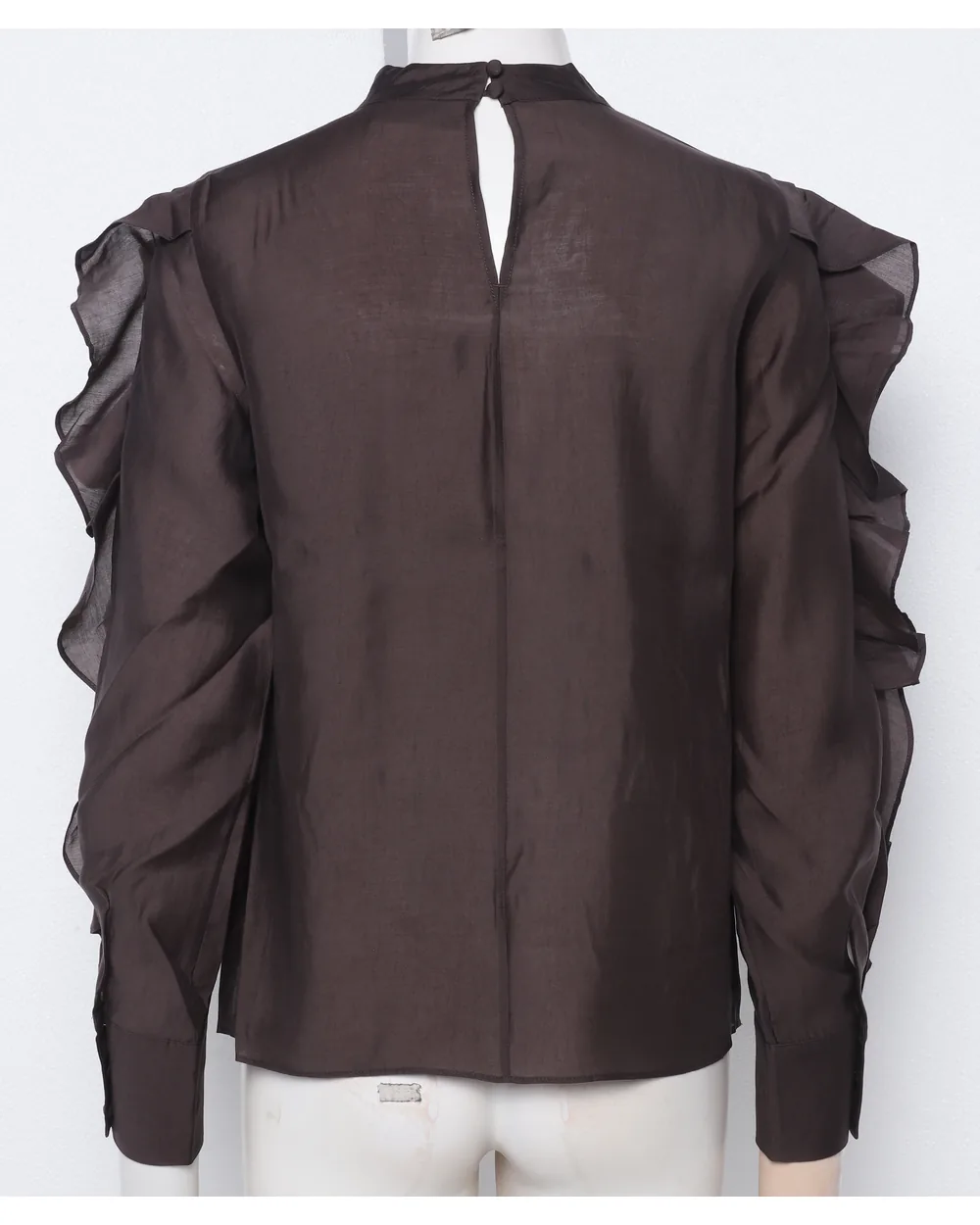
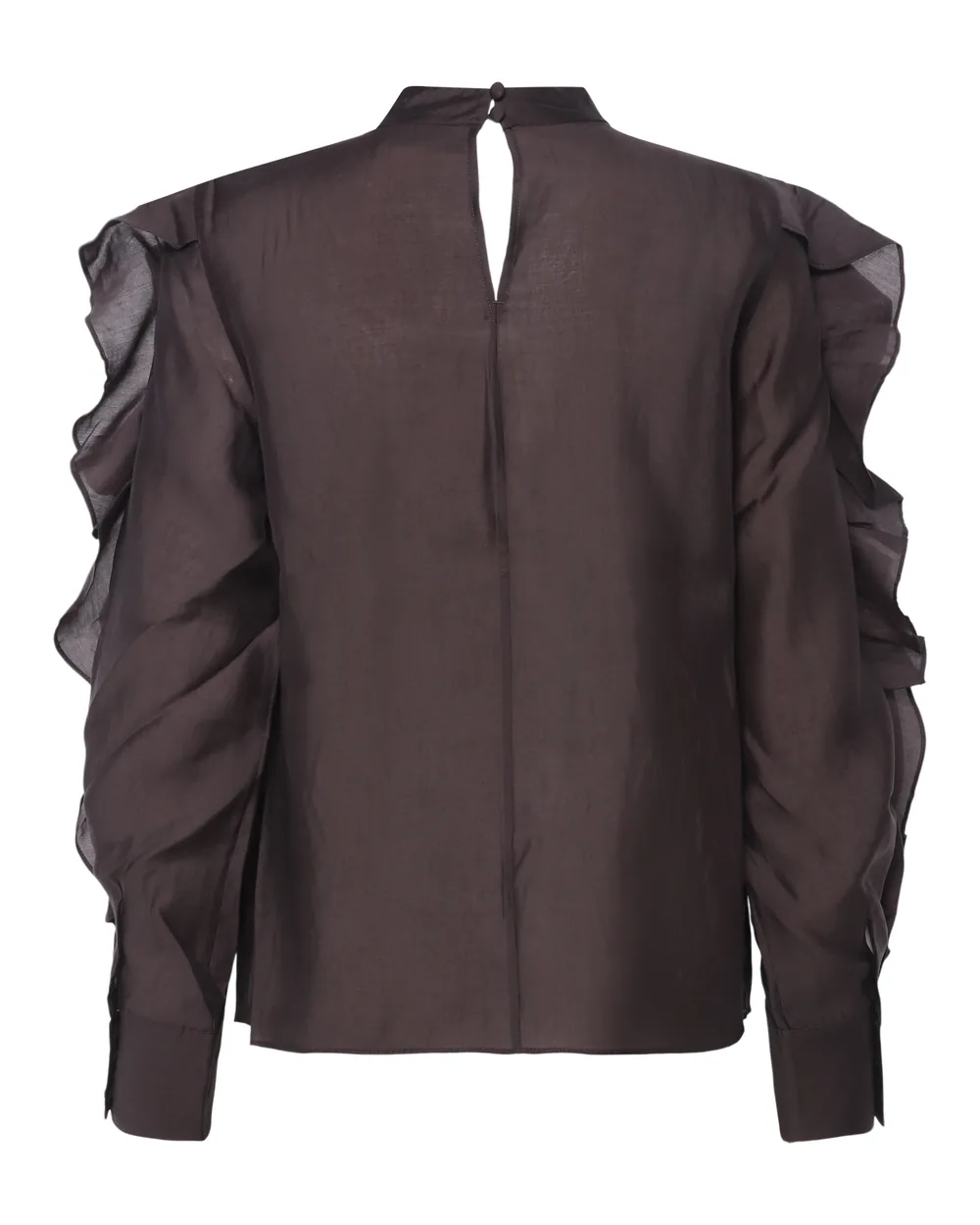
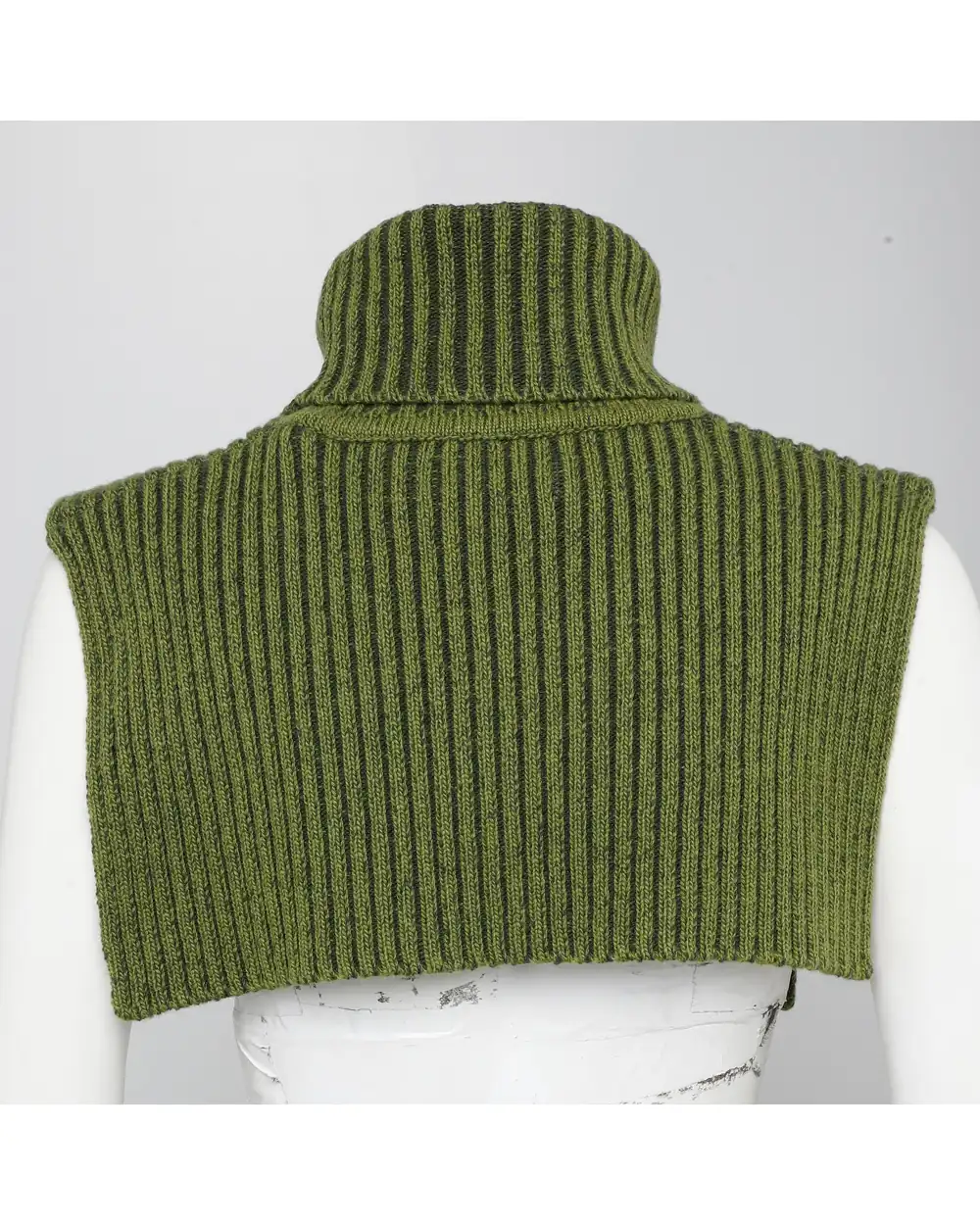
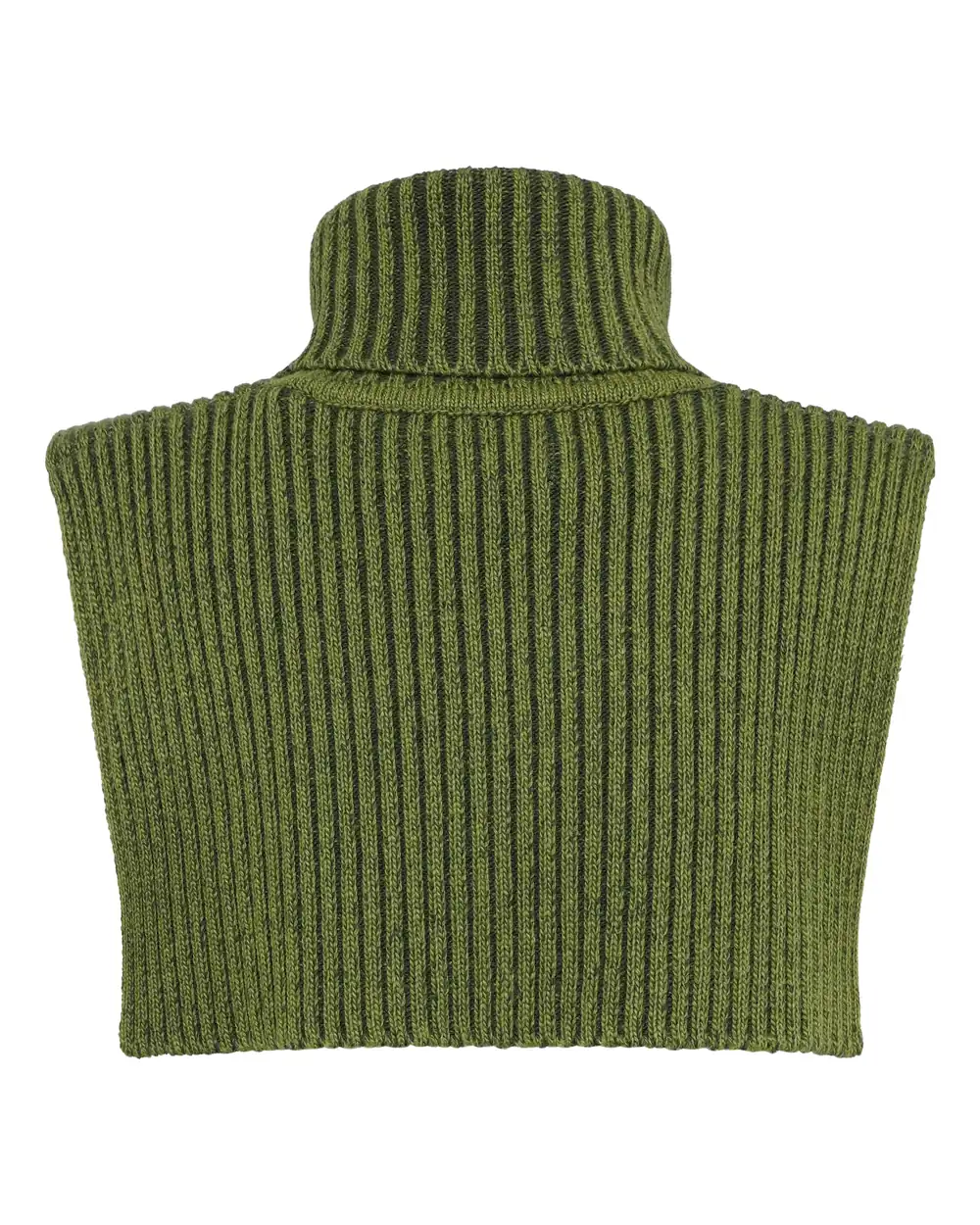
A generated frame asks for the same judgement in reverse. The machine has already decided what is behind the fabric. Usually it is wrong, and correcting it is a hand job on a named retoucher's screen, checked by a QC manager who has the garment reference open beside the file.
The disclosure question, and the part most brands have backwards
Two things changed this year.
| Rule | In force | What it covers |
|---|---|---|
| New York, GBL §396-b | 9 June 2026 | Clear disclosure when an advertisement reaching New York consumers uses an AI synthetic performer. $1,000 for a first violation, $5,000 for each after. |
| EU AI Act, transparency provisions | 2 August 2026 | Generated or manipulated content that looks like a real person must be labelled — regardless of whether there was any intent to deceive. |
The part that gets misread: routine retouching does not trigger any of this on its own. Lighting, cropping, background removal, cleaning up a garment — that is ordinary post-production and always has been. What triggers disclosure is generating the performer.
Which means a brand that has decided to use generated models has not made retouching riskier. It has made retouching the one part of the pipeline that is not in question. We are not lawyers and this is not advice — take the specifics to yours — but the distinction is worth having straight before anyone decides to skip a step out of caution.
Where we stand
We never generate. We correct.
Nothing in your file is made by us. Every pixel we touch is touched by a named retoucher in our own studio, your work never becomes training data for any model, and your files are deleted on the date we agreed. Whether the frame arrived from a camera or from a generator does not change any of that — it only changes what has to be put right.
If your model is synthetic, the garment is the only thing left that has to be true. That is the part we do.
Common questions
Do you generate AI models for us?
No. We do not generate imagery of any kind. If you produce generated frames, we do the hand retouching on them — colour, wrinkles, construction, consistency. If you would rather shoot, we retouch photographed files exactly as we always have.
Can you match the garment colour to the real product?
Yes, and it is the first thing we ask for. Send a flat shot of the physical garment, a reference image, or the colour standard you work to. Matching to the generated frame alone is guesswork, and guesswork is what causes returns.
Will retouching an AI-generated image mean we have to disclose it?
Retouching does not create the disclosure obligation — generating the performer does. If your image uses a synthetic model, the disclosure question already exists whether or not it is retouched. Confirm the specifics with your own counsel for the markets you sell in.
How do you keep eight colourways of one garment matching?
One retoucher owns the range, one QC manager signs it off against the garment reference, and the corrections are applied as a set rather than image by image. That is the same method we use for photographed catalogue work.
Do our files train anything?
No. Your images are never used as training data, never passed through generative tools, and are deleted on the agreed date. We will sign your DPA.